New Housing Bill Becomes Law: What It Means for Douglas County and Denver South Metro Homeowners
What does the new bipartisan housing bill mean for homeowners, sellers, and buyers in Douglas County, Elbert County, Arapahoe County, and the Denver South Metro?
[SNIPPET ANSWER: The 21st Century ROAD to Housing Act became law in July 2026 without the president’s signature, aiming to increase housing supply, limit institutional investors from buying single-family homes, and reduce costs for buyers and sellers across Colorado.]
Why This Law Matters Right Now in the Denver South Metro
If you own property in Castle Rock, Highlands Ranch, Parker, Lone Tree, or anywhere across Douglas and Arapahoe Counties, this new federal legislation is going to shape your real estate decisions for years to come. The 21st Century ROAD to Housing Act passed the U.S. Senate 85-5 and the House 358-32, earning veto-proof bipartisan support. President Trump declined to sign it, but the bill automatically became law at midnight on July 12, 2026, after the 10-day window expired without a veto.
So why should you care? Because with the median listing price in Douglas County sitting at $775,000 as of April 2026, and only about 15% of county sales being condos or townhomes, this market has been pricing out buyers and constraining sellers for years. With 30 years of experience as a Douglas County real estate agent and over 469 closed transactions, I can tell you this is the most significant piece of housing legislation I have seen in my career. Let me walk you through exactly what it does, the real pros and cons, and how it affects your next move.
What the 21st Century ROAD to Housing Act Actually Does for Castle Rock and Douglas County
This is not a small, incremental policy tweak. The law is packed with more than 40 provisions aimed at reshaping the housing landscape from the ground up. Here is what matters most for you in the Denver South Metro:
- Limits institutional investors from purchasing certain single-family homes, which is a direct win for individual buyers competing in Castle Rock, Castle Pines, and Parker
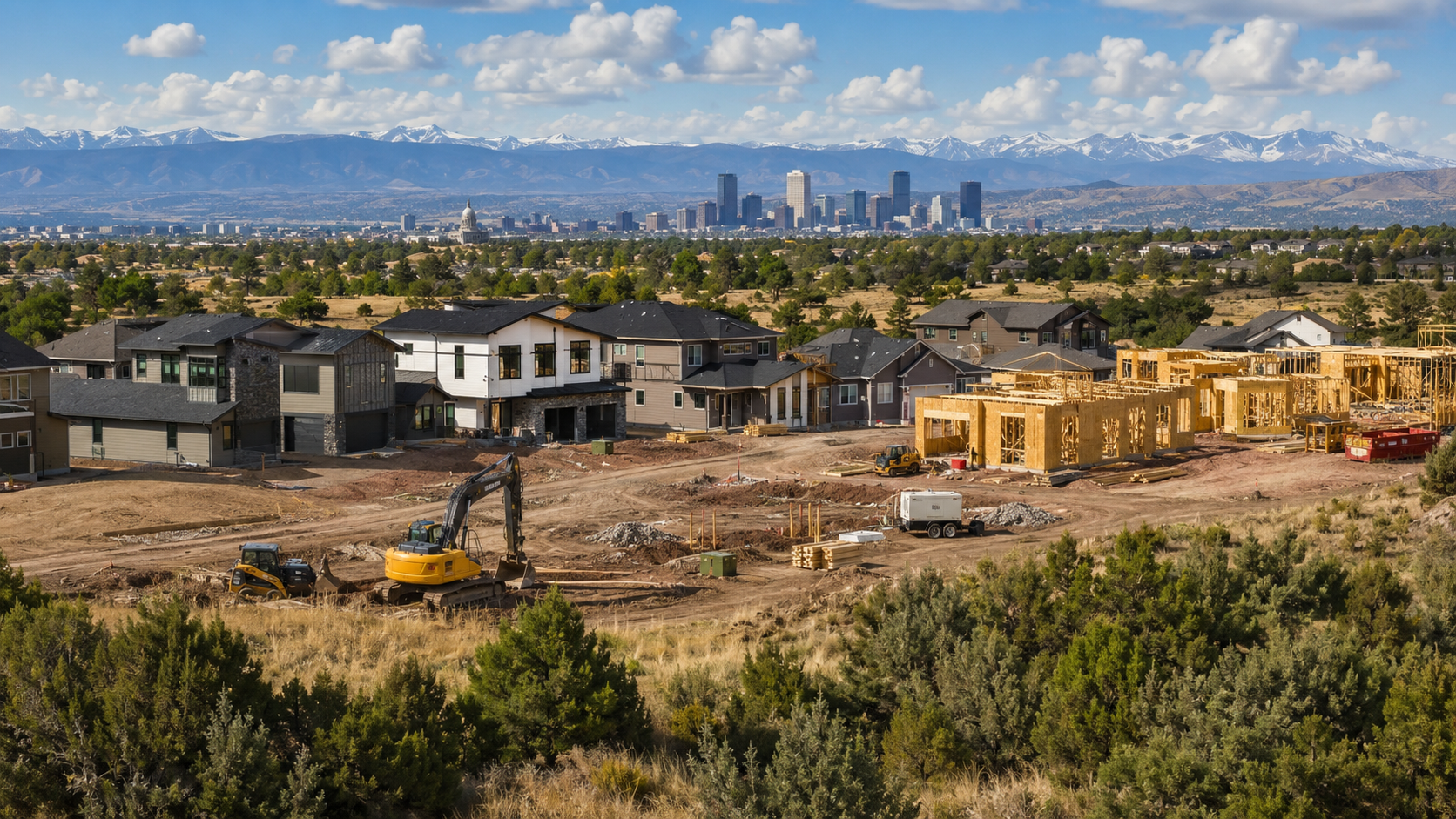
- Reduces federal regulatory barriers to new housing construction, making it easier for builders to break ground on projects across Elizabeth, Franktown, and Larkspur where land is available
- Encourages local governments to reform restrictive zoning policies through financial incentives, which could unlock new development in areas of Douglas and Elbert Counties that have historically resisted density
- Promotes manufactured and modular housing by modernizing building standards, opening the door for cost-effective new homes in the rural corridors between Franktown and Elizabeth
- Speeds up permitting processes so that approved projects can move from paper to construction faster
The White House press secretary described it as “one of the most significant pieces of housing legislation in American history.” Whether you agree with that characterization or not, the sheer breadth of this bill is undeniable.
The Pros: How This Benefits Denver South Metro Homeowners and Sellers
If you are sitting on an inherited property in Centennial, thinking about selling a family home in Highlands Ranch, or weighing whether to list in Englewood, here is the good news.
More Buyers Entering Your Market
By limiting institutional investors from scooping up single-family homes, this law levels the playing field. One family I recently worked with in Castle Rock was outbid three times by cash offers from investment entities before finally landing their home. Under the new law, those competing offers from large-scale investors will face restrictions. That means more individual, motivated buyers competing for homes like yours.
Increased Housing Supply Eases Pressure Over Time
More construction, fewer regulatory hurdles, and streamlined permitting all point toward a gradual increase in housing supply. For sellers in Douglas County, where 56.64% of homes listed in recent months have dropped in price (up 4.2 points year over year), additional supply may sound counterintuitive. But what I tell my clients is that a healthier supply-demand balance actually stabilizes prices and attracts more serious, qualified buyers rather than bargain hunters.
Modular and Factory-Built Options Open New Doors
For probate and inherited-property sellers in rural areas like Franktown and Elizabeth, the promotion of factory-built housing means your land may become more valuable to builders who can now construct affordable homes faster and cheaper. If you have inherited acreage, this could change your disposition strategy entirely.
The Cons: Honest Concerns for Douglas County and Arapahoe County Property Owners
No legislation this sweeping comes without trade-offs. Here is what you need to think about carefully.
Affordability Improvements Will Take Years, Not Months
Even with faster permitting and reduced barriers, new development takes time. According to housing policy experts, a single development from construction start to market delivery can take longer than an elected official’s term. If you are counting on this bill to immediately boost your property’s value or bring a flood of new buyers, you will be waiting. The realistic timeline for measurable impact is two to four years.
More Supply Could Moderate Douglas County’s Premium Pricing
Douglas County’s median listing price of $775,000 significantly outpaces the broader Denver metro median of $600,000. That price gap has been driven partly by limited housing diversity, with only about 15% of recent sales being condos or townhomes. As zoning reforms and condo construction incentives take effect, more diverse housing stock could moderate the premium that Douglas County commands. If you are planning to sell a higher-end property in Castle Pines or Lone Tree, pricing strategy will become even more critical.
Rising Construction Costs Create Cross-Pressures
New tariffs on steel, aluminum, and lumber are adding over $9,200 per new home in Colorado. Combined with rising insurance premiums (the average Colorado homeowner now pays about $4,100 per year, a 137% increase over the past decade), the cost of building and owning a home is climbing even as this legislation tries to bring prices down. What I tell my clients is that these forces create a tug-of-war, and the net effect will vary by neighborhood.
What This Means If You Have Inherited a Home in Douglas, Elbert, or Arapahoe County
Probate and inherited-property sellers face a unique decision right now. The market across the Denver South Metro is more balanced than it has been since 2019, with active listings up roughly 8-9% year over year. Homes take a median of 15 days to sell when priced correctly, and the close-price-to-list-price ratio sits at 99% metro-wide.
One inherited-property seller I worked with last year had a home in Parker that needed significant updates. The family was torn between investing in renovations or selling as-is. Given that well-maintained, move-in-ready homes are selling quickly while homes requiring updates sit longer, we ran the numbers and determined that a strategic price adjustment with minimal cosmetic updates yielded a faster sale and a stronger net return than a full renovation. That kind of analysis matters even more now, because the new law’s investor restrictions mean your buyer pool will skew more toward owner-occupants who value condition and turnkey readiness.
If you are in this situation, the window right now is favorable. With 130 five-star reviews from past clients and deep experience in the Castle Rock, Highlands Ranch, and Parker markets, I have guided hundreds of families through exactly this kind of decision. The key is understanding how the new legislation intersects with your specific property, neighborhood, and timeline.
How Colorado’s State-Level Housing Reforms Amplify the Federal Law
The federal housing bill does not operate in a vacuum. Colorado has already enacted its own sweeping housing reform package that, combined with the federal law, creates a powerful one-two punch for the Denver South Metro.
The state’s ADU legalization (HB 1152) now allows homeowners across the metro area to build accessory dwelling units, with $8 million in grants and loans available for eligible borrowers. For inherited properties in Highlands Ranch, Centennial, or Englewood, this means you could potentially add an ADU to increase value before selling, or market the property to buyers who want rental income potential.
Colorado’s condo construction defect reform (HB 25-1272) is expected to revive condo building across Aurora and Centennial, expanding the entry-level inventory that has been almost nonexistent. And the state’s promotion of factory-built housing (SB 25-2) is particularly relevant for the Elizabeth and Franktown corridor, where land availability and lower density make modular construction practical.
For local government flexibility, SB 26-001, sponsored by Representative Chris Richardson of Elbert County, allows local governments to sell, lease, or acquire property specifically for workforce or affordable housing and creates tax exemptions for construction materials used in workforce housing projects. This directly impacts property owners in Elbert County and eastern Douglas County.
Frequently Asked Questions
What is the 21st Century ROAD to Housing Act?
This is a bipartisan federal housing bill that became law on July 12, 2026, without the president’s signature. It contains over 40 provisions designed to increase housing supply, limit institutional investors from buying single-family homes, reduce federal regulatory barriers to construction, and promote affordable homeownership.
How did this bill become law without being signed?
When a bill is delivered to the president, the president has 10 days to sign or veto it. If neither action is taken and Congress is in session, the bill automatically becomes law. President Trump declined to sign but did not veto, so the bill took effect at midnight after the deadline passed.
Will this law lower home prices in Douglas County?
Not immediately. Experts estimate that measurable affordability improvements could take two to four years, as new development projects move from approval to completion. However, the law creates structural conditions that should moderate price growth over time, particularly in areas like Douglas County where the median listing price is $775,000.
How does the investor restriction affect Castle Rock homes for sale?
The law limits certain institutional investors from purchasing single-family homes. This means individual buyers in Castle Rock and across the Denver South Metro will face less competition from large investment entities, potentially making it easier to win offers at fair prices.
Does this law affect inherited or probate properties?
Yes, indirectly. By increasing the pool of individual buyers and restricting investor competition, probate and inherited-property sellers may find more motivated owner-occupant buyers for their homes. This can lead to smoother transactions and potentially stronger offers from families rather than investors seeking discounts.
What about rising construction costs and tariffs?
New tariffs on building materials are adding over $9,200 per new home in Colorado. This creates tension with the law’s goal of lowering housing costs. The net effect will depend on how quickly regulatory streamlining and zoning reform offset these material cost increases.
How does Colorado’s ADU law work with this federal legislation?
Colorado’s HB 1152 allows homeowners to build accessory dwelling units on their property, with $8 million in state grants and loans available. Combined with the federal law’s push for housing supply expansion, ADUs represent a practical way for Denver South Metro homeowners to add value and housing stock simultaneously.
Will this impact Highlands Ranch homes for sale?
Over time, yes. The combination of federal investor restrictions, state ADU legalization, and condo construction reform will gradually increase housing diversity in Highlands Ranch and similar communities. Sellers should monitor how these changes affect buyer demand and pricing dynamics.
When will we see the effects of this law in the Denver South Metro?
Most housing experts agree that the earliest noticeable impact will come in 2028 or beyond. Construction timelines, local zoning adjustments, and market absorption all take time. However, the investor restriction provisions take effect more immediately and could shift buyer competition dynamics within months.
Should I sell my inherited property now or wait for this law to take effect?
With the Denver South Metro currently offering a balanced market, 15-day median time to sale, and a 99% close-to-list-price ratio, the current conditions are favorable for sellers. Waiting for the law’s full impact introduces uncertainty, particularly around potential increases in supply that could moderate prices. If your property is in good condition and priced strategically, the current market rewards action.
The Bottom Line for Denver South Metro Homeowners
The 21st Century ROAD to Housing Act is real, it is law, and it will reshape the housing landscape across Douglas County, Elbert County, Arapahoe County, and the entire Denver South Metro over the coming years. The pros, including investor restrictions, construction streamlining, and expanded housing diversity, are meaningful. The cons, including delayed timelines, rising material costs, and potential price moderation, are equally real.
What matters most is how this law intersects with your specific situation right now. Whether you are navigating a probate sale in Castle Rock, evaluating an inherited property in Parker, or deciding whether to list in Highlands Ranch, the decisions you make today will be shaped by this legislation for years to come. If you want a straight answer about what this means for your property, call me, David Richins, at 303-882-7706. With 30 years in this market and 469 closed transactions across the Denver South Metro, I will give you the honest analysis you need to make the right move.