Chateau Valley Development in Castle Rock: What You Need to Know
What is the Chateau Valley development in Castle Rock, and how will it change the community?
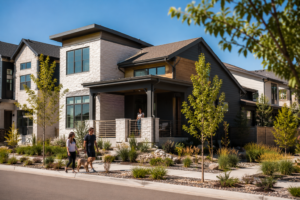
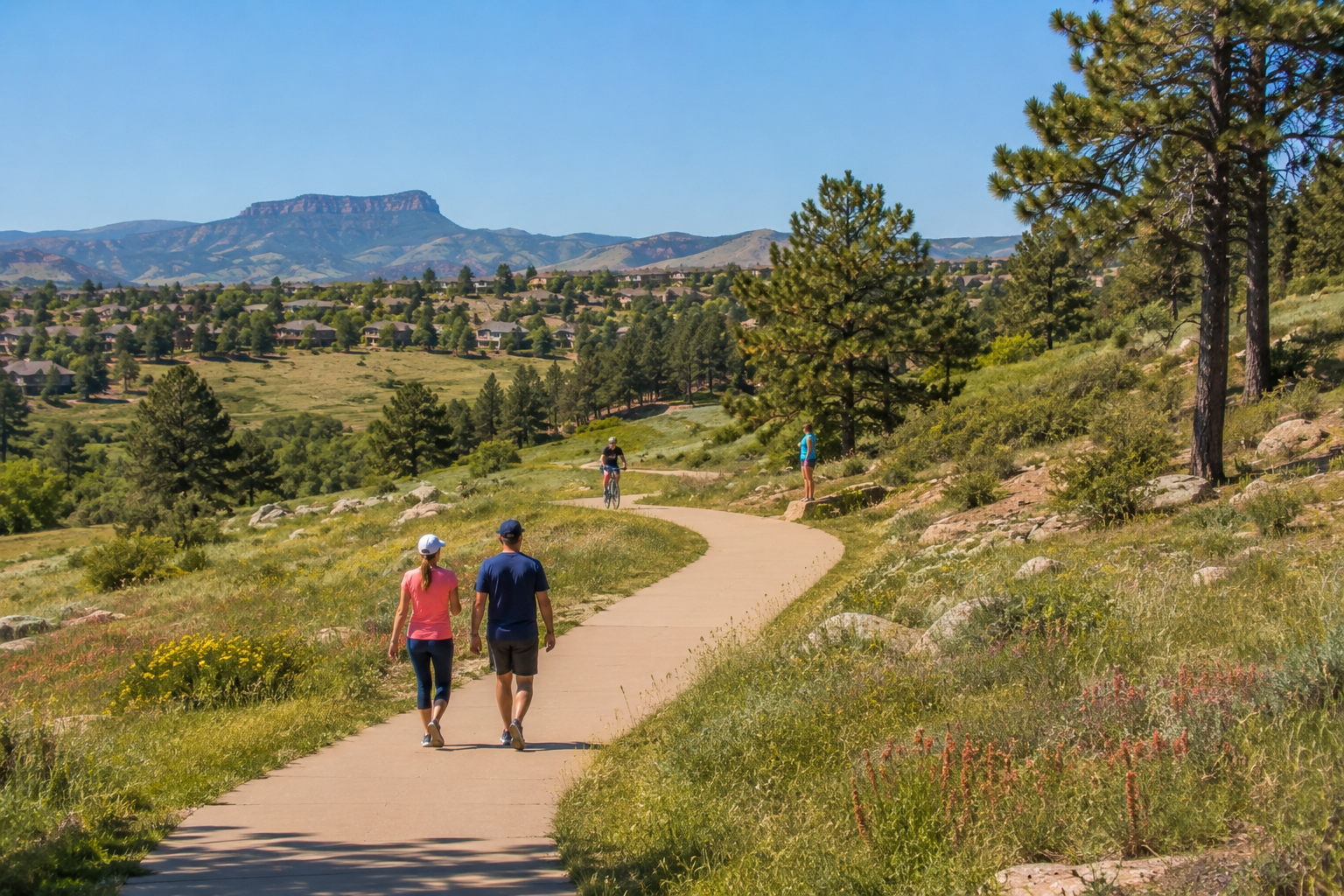
Chateau Valley is a proposed 414-home development on 113 acres in Castle Rock, Colorado, featuring a mix of single-family homes and paired homes, with 50 acres of preserved open space and a regional trail.
Why Castle Rock’s Chateau Valley Matters Right Now
If you live in Castle Rock or you’re considering a move here, Chateau Valley is one of the most consequential development projects on the horizon. Developer Russell Hall of Highline Engineering & Surveying plans to turn 113 acres of land, owned by the Memmen family and earmarked for development since the 1980s, into roughly 400 homes. The project includes a mix of traditional houses and duplexes, all managed under Chateau Valley LLC.
What makes this moment critical? The Castle Rock Planning Commission is scheduled to review the Site Development Plan, and Town Council consideration follows shortly after. With Castle Rock’s median home price having climbed from $385,000 in 2020 to $580,000 by late 2025 (a 51% increase), the conversation about attainable housing in this town has never been more urgent. Having served Douglas County real estate for 30 years and closed over 469 transactions, I can tell you that developments of this scale don’t come along often, and they reshape neighborhoods for decades.
Where Chateau Valley Sits in Castle Rock’s Landscape
You might be wondering where exactly this development would go. The 113-acre site is located east of Memmen Park, north of the Baldwin Park subdivision, and south of the Southridge Townhome subdivision. In other words, it’s surrounded on three sides by existing homes.
This isn’t some far-flung parcel on Castle Rock’s outskirts. It sits squarely within the established fabric of the town, close to key corridors that connect to I-25, the Outlets at Castle Rock, and downtown Perry Street. One family I recently worked with in Baldwin Park had been following Chateau Valley closely for over a year. They were initially concerned about construction disrupting their quiet street, but once they saw the site plan preserving 50 acres of open space and a regional trail, their perspective shifted considerably. They realized trail connectivity would actually increase the appeal of their own home.
That proximity to existing neighborhoods is precisely why this project generates strong opinions. If you’re in The Meadows, Founders Village, or Crystal Valley Ranch, understanding what Chateau Valley brings (and doesn’t bring) to Castle Rock is worth your time.
What Chateau Valley Plans to Build in Castle Rock
Let’s get specific about what’s on the table. According to the Town of Castle Rock’s official FAQ, the current proposal calls for:
- Approximately 256 single-family homes
- 79 paired homes (158 dwelling units)
- 414 total units across 113 acres
- 50 acres of preserved open space
- A regional trail connecting to the broader Castle Rock trail network
Hall has described the project’s mission as “providing more affordable housing to the town of Castle Rock.” And given the current pricing environment, that framing matters. Right now, the typical home value in Castle Rock sits around $661,670, though values have softened roughly 4.8% over the past year. In an environment where the Denver metro median closed price reached $605,000 in mid-2026, Castle Rock’s pricing has been tracking slightly above the metro average.
What I tell my clients is this: when you see “affordable” in a development pitch, you need to look at what that means relative to what’s already here. Castle Rock isn’t competing with downtown Denver pricing. It’s competing with Castle Pines Village, where median sale prices hit $1.6 million over recent months, and with Highlands Ranch and Parker, where similar square footage can command significantly different premiums. Chateau Valley’s paired-home component, those duplexes, is designed to offer an entry point below the single-family median. That’s meaningful for younger families and downsizers alike.
Traffic, Water, and Infrastructure Concerns in Castle Rock
So what are Castle Rock residents actually worried about? If you’ve attended any neighborhood meetings or followed local discussions, you already know the three big ones: traffic, water, and safety.
Traffic Impact Near Chateau Valley
Chateau Valley’s developer says a traffic study indicated the development would cause no noticeable change in traffic. However, it’s not entirely clear whether that study accounted for the cumulative impact of other planned developments in Castle Rock. Plans for new developments across town could add more than 1,000 homes combined, and if you’ve sat through the Meadows Parkway afternoon backup or crawled along Plum Creek Parkway during school drop-off, you know that “no noticeable change” is a claim worth scrutinizing.
Water Supply for New Castle Rock Homes
Water is always the elephant in the room for Colorado growth conversations. The Town of Castle Rock states that because this land was annexed decades ago, the town has been planning to provide water to this site for years. The developer has confirmed water for Chateau Valley (and the neighboring Founders Vista project) will come from the town’s existing supply. That’s not new capacity. It’s previously allocated capacity finally being used.
Broader Infrastructure Strain
Some residents have voiced concerns that neighborhoods are growing faster than the town can responsibly manage. And honestly, that’s a fair concern to raise. When I’m advising clients looking at homes near Baldwin Park or Southridge, I always encourage them to review the town’s capital improvement plans and attend the public hearings. These are the moments where your voice actually shapes outcomes.
How Chateau Valley Could Affect Castle Rock Home Values
This is the question I get most often. Will Chateau Valley raise or lower your property value?
Here’s what 30 years in Douglas County real estate tells me: well-planned development with significant open-space preservation and trail connectivity tends to support, not undermine, surrounding property values over the medium and long term. The 50 acres of open space and regional trail aren’t just amenities for future Chateau Valley residents. They become shared assets for Baldwin Park, Southridge, and neighboring communities.
One couple I worked with recently in the Meadows area was debating whether to sell before Chateau Valley broke ground. They assumed new construction would flood the market with competition. After we looked at the data together, specifically that Castle Rock homes near existing trail systems have appreciated 24% over the past three years in areas like downtown, they decided to hold. Their reasoning was sound: more trail connectivity and open space nearby would add to, not subtract from, their home’s appeal.
That said, during the construction phase (typically 3 to 5 years for a development of this size), you may see temporary disruption: construction traffic, dust, noise. If you’re within earshot of the site, it’s worth factoring that into your short-term plans.
The Denver South Metro market overall is stable heading through 2026. The REcolorado July report shows the median closed price at $605,000, up 3%, with homes spending a median of 22 days on market. That’s four days faster than the same period last year. Supply-constrained conditions continue to support pricing, as Pete Thrasher of CU Boulder’s Leeds School of Business has noted: “The entire system is supply-constrained.”
The Castle Rock Approval Process and What Happens Next
You should understand how this actually gets decided. The Town of Castle Rock’s official website lists a public hearing for the Chateau Valley Site Development Plan, with a Planning Commission meeting to follow. The application is currently in the middle of the town’s review process, where staff professionals evaluate whether all town criteria are met.
What does that mean for you? It means there are still opportunities to participate:
- Neighborhood Meetings will be scheduled before formal hearings
- Planning Commission review is the technical evaluation stage
- Town Council vote is the final decision point
The Town of Castle Rock has been clear about its position: much of Castle Rock was zoned in the 1980s and 1990s, and landowners are legally entitled to develop land according to previously approved zoning requirements. The town can’t stop Colorado’s growth, but it can insist on quality growth. That distinction between “can we stop it” and “can we shape it” is exactly where public engagement matters most.
With 130 five-star reviews from past clients, one thing I’ve learned is that the best-informed residents make the best decisions, whether they’re buying near a new development or evaluating how it affects their current home.
Frequently Asked Questions About Chateau Valley in Castle Rock
How many homes will Chateau Valley add to Castle Rock?
The current proposal calls for approximately 414 total units, including 256 single-family homes and 79 paired homes (158 dwelling units). This is spread across 113 acres, with 50 acres dedicated to open space and a regional trail. Earlier proposals cited slightly different numbers, so the final count may adjust through the approval process.
Where exactly is the Chateau Valley development in Castle Rock?
The site sits east of Memmen Park, north of the Baldwin Park subdivision, and south of the Southridge Townhome subdivision. The 113-acre parcel is surrounded on three sides by existing homes, making it an infill development rather than an expansion on Castle Rock’s edges.
Who is developing Chateau Valley in Castle Rock?
Developer Russell Hall of Highline Engineering & Surveying is managing the project through Chateau Valley LLC. Hall has described the development’s goal as providing more affordable housing options within the town of Castle Rock.
Will Chateau Valley affect traffic near Meadows Parkway and Baldwin Park?
The developer’s traffic study indicates no noticeable change in traffic from the development. However, with other planned developments potentially adding over 1,000 homes across Castle Rock, cumulative traffic impact is a legitimate concern that residents should raise during public hearings.
Where will Chateau Valley get its water?
The Town of Castle Rock has stated that because this land was annexed decades ago, water service has been planned for years. Water will come from the town’s existing supply, not a new source. This applies to both Chateau Valley and the nearby Founders Vista project.
How much open space will Chateau Valley preserve in Castle Rock?
The plan preserves 50 acres of open space and includes construction of a regional trail. On a 113-acre site, that means roughly 44% of the land remains undeveloped, which is a significant open-space ratio compared to many Colorado residential developments.
When will Chateau Valley construction start in Castle Rock?
The project must clear Planning Commission review and Town Council approval before construction can begin. As of mid-2026, the Site Development Plan is still under town review. Public hearings and neighborhood meetings are still scheduled, meaning the timeline could shift depending on feedback and any required modifications.
What types of homes will be built in Chateau Valley?
The development includes traditional single-family homes and paired homes (duplexes). The paired-home component is designed to offer a more attainable price point for Castle Rock, where the typical home value currently sits around $661,670.
Will Chateau Valley lower my home value in nearby Castle Rock neighborhoods?
Historically, well-planned developments with substantial open-space preservation and trail connectivity in Castle Rock have supported surrounding property values over the long term. Short-term construction disruption is possible, but the 50-acre open-space component and trail access may enhance nearby neighborhoods.
Can Castle Rock residents stop the Chateau Valley development?
The Town has noted that much of Castle Rock was zoned in the 1980s and 1990s, and landowners hold legal entitlements to develop under those approved zoning requirements. However, residents can shape the project’s details through public hearings and neighborhood meetings. Engagement during the Planning Commission and Town Council process is where community input carries the most weight.
The Bottom Line on Chateau Valley for Castle Rock Residents
Chateau Valley represents one of the most significant residential developments Castle Rock has seen in years. Whether you live in Baldwin Park, Southridge, The Meadows, or Crystal Valley Ranch, this project will touch your community in some way, through trail connectivity, traffic patterns, housing supply, or property values.
Your best move is to get informed and get involved. Attend the upcoming neighborhood meetings and public hearings. Review the Site Development Plan materials on the Town of Castle Rock’s website. Ask the hard questions about traffic studies, water allocation, and construction timelines.
If you want to understand how Chateau Valley specifically impacts your home’s value or your plans to buy or sell in Castle Rock, I’m happy to walk you through it. With 30 years in Douglas County real estate and 469 closed transactions across the Denver South Metro area, I’ve seen Castle Rock grow from a small town to the thriving community it is today. Give me a call at 303-882-7706 or visit DavidRichins.com. I’m David Richins, and helping Castle Rock homeowners navigate exactly these kinds of decisions is what I do best.