Ball Arena’s Massive Renovation and What It Means for South Metro Denver Home Sellers
What does Ball Arena’s $135 million renovation mean for homeowners considering selling in South Metro Denver?
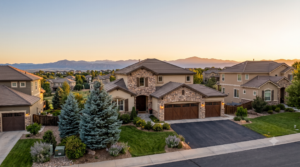
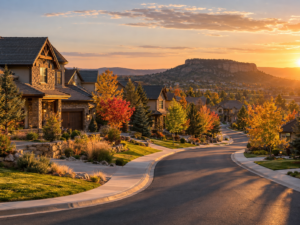
The Ball Arena renovation and its surrounding 55-acre entertainment district are set to strengthen Denver’s metro-wide appeal, and if you own a home in Castle Rock, Castle Pines, Highlands Ranch, Parker, or Lone Tree, that gravitational pull toward a revitalized downtown directly supports your home’s marketability.
Why This Matters Right Now for South Metro Denver Homeowners
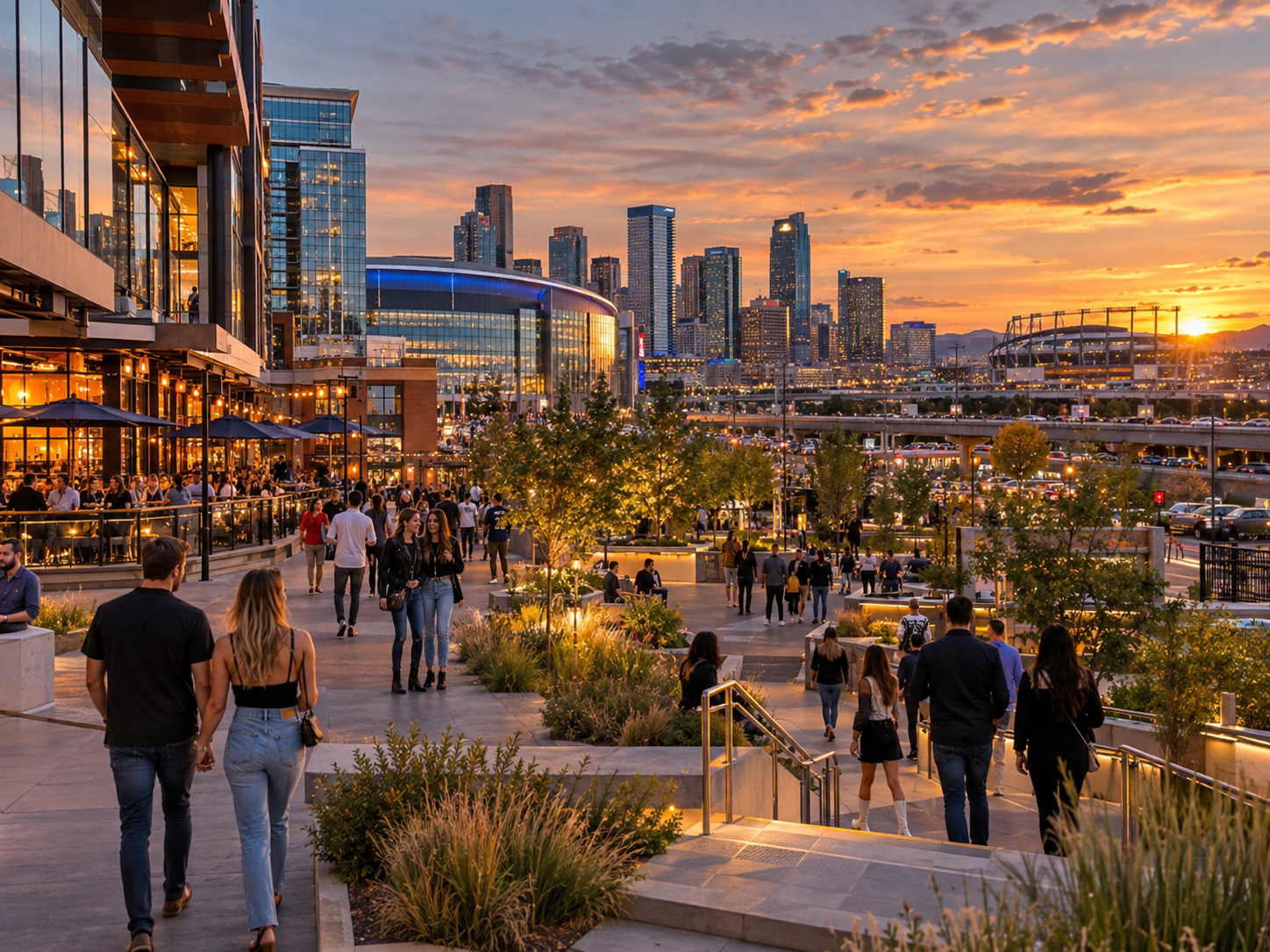
On September 18, 2026, Kroenke Sports & Entertainment announced a sweeping $135 million renovation of Ball Arena, home of the Colorado Avalanche, Denver Nuggets, and Colorado Mammoth. But this is not just a facelift for an arena that opened in 1999. It is the anchor of a 55-acre mixed-use redevelopment expected to include a hotel, a mid-size entertainment venue, a central park, shopping, dining, and residential and office towers.
At the same time, the Denver Broncos are advancing their new stadium project at Burnham Yard near the South Platte River corridor. Two major sports venue developments running simultaneously is unprecedented for Denver, and it sends a powerful signal to buyers, relocators, and investors that this metro area is doubling down on its future.
What I tell my clients in Castle Rock and throughout Douglas County is simple: when downtown Denver gets stronger, the suburbs connected to it by I-25 get stronger too. With 30 years in this market, I have watched this pattern repeat itself with every major infrastructure investment.
What the Ball Arena Renovation Actually Includes
If you have been to a Nuggets or Avalanche game recently, you already know Ball Arena has character but also some limitations that come with a 27-year-old building. Here is what the renovation addresses.
Fan Experience and Accessibility Upgrades
- A new downtown-facing entrance at the East Atrium with an expansive glass facade
- New escalators and a redesigned team store
- Wider entrances, exits, and concourses in the highest-traffic areas
- Point-of-sale technology upgrades throughout to reduce concession wait times
- Three new premium clubs, including one with direct access to reserved 100-level seating
- An outdoor courtyard for pre-event and post-event gathering
Luxury Suite Overhaul
The first 24 Ball Arena Legacy and Signature Suites will debut for the 2026-2027 seasons, with the remaining 89 suites upgraded in phases. This signals KSE’s commitment to the corporate and luxury entertainment segment, which is exactly the demographic that also buys and sells premium homes across South Metro Denver.
Timeline
The full renovation will be completed in phases, with the project expected to wrap in time for the 2028-2029 seasons.
KSE Vice Chairman Josh Kroenke put it this way: “The Nuggets, Avalanche, and Mammoth will have a home in Downtown Denver to rival any in their respective leagues.”
How Two Competing Venue Projects Reshape Denver’s Real Estate Landscape
Here is what makes this moment truly unique. Denver now has two major sports venue projects running in parallel. Ball Arena is getting its $135 million renovation while the Denver Broncos are planning their new stadium at Burnham Yard along the South Platte River corridor. This is a once-in-a-generation investment in Denver’s entertainment infrastructure.
So what does that mean if you are thinking about selling your home in Castle Rock, Parker, or Highlands Ranch?
It means buyer demand for the I-25 corridor is about to get another tailwind. Relocating buyers and professionals evaluate a metro area holistically. They look at job markets, schools, outdoor recreation, and yes, the quality of entertainment and nightlife options. A world-class arena district paired with a brand-new NFL stadium tells prospective buyers that Denver’s best years are not behind it.
One family I worked with in Castle Pines was relocating from the Midwest last year. Their number one concern beyond schools and commute time was lifestyle access. They specifically asked about proximity to Avalanche and Nuggets games, concerts, and downtown dining. When buyers see two transformative venue projects underway, it validates Denver as a destination metro, and your home benefits from that perception.
With the Denver metro median home price sitting at approximately $585,000 to $600,000 in 2026 and showing steady 2 to 3 percent annual appreciation, the market fundamentals are already solid. Major infrastructure investments like these reinforce that trajectory.
What South Metro Denver Sellers Should Know About the I-25 Corridor Advantage
If you own a home along the I-25 corridor between Lone Tree and Castle Rock, you sit in a sweet spot that is difficult to replicate. You get the suburban lifestyle, the Douglas County schools, the open space and trails, and a straight shot up I-25 to Ball Arena, the future Broncos stadium, and everything downtown Denver has to offer.
Commute Times to Ball Arena from South Metro
- Lone Tree and Highlands Ranch: 20 to 30 minutes via I-25 or RTD light rail
- Parker and Centennial: 25 to 35 minutes depending on route
- Castle Pines: 30 to 40 minutes via I-25
- Castle Rock: 35 to 45 minutes off-peak; 50 to 65 minutes during rush hour
The RTD E-Line connects Lone Tree, Centennial, and parts of Aurora directly to downtown Denver, making game-night commutes easy for residents without fighting I-25 traffic.
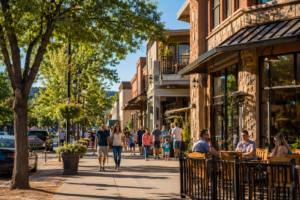
What does this mean for your listing? It means you have a genuine lifestyle story to tell buyers. When I help sellers in Castle Rock prepare their homes for market, we build out the lifestyle narrative alongside the property features. Proximity to Philip S. Miller Park, Coffee Tree Roasters on Wilcox Street, Douglas County’s top-rated schools like Rock Canyon High School (GreatSchools 8 out of 10) and Castle View High School, and now a soon-to-be-renovated world-class entertainment venue downtown. That is a compelling package.
Timing Your Sale Around Denver’s Transformation
If you are a homeowner in South Metro Denver weighing whether 2026 or 2027 is the right time to sell, here is the context you need.
Castle Rock’s median home price sits around $672,668 as of late summer 2026, with single-family homes averaging $681,250. Castle Pines has seen its median sale price reach $950,000, up 13.9 percent year over year. Homes in Castle Rock are moving in just 26 days and selling at 99.1 percent of asking price. These are not distressed market conditions. They are balanced, and balanced markets reward sellers who prepare their homes thoughtfully.
One seller I recently helped in The Meadows neighborhood of Castle Rock was nervous about listing this fall. They assumed buyers would wait until spring. We priced the home correctly from day one, staged it to emphasize the outdoor living space and home office, and had a strong offer within two weeks. In this market, homes that are priced right and presented well still perform. The ones that sit are typically overpriced by 3 to 5 percent or need updates buyers do not want to take on.
Having closed over 469 transactions and earned 130 five-star reviews from past clients, I can tell you the biggest mistake sellers make is waiting for some perfect moment. The Ball Arena renovation creates a positive narrative about Denver’s future. That narrative is already factoring into buyer confidence today, not in 2028.
The market is more selective than during the pandemic frenzy, and buyers have regained some negotiating leverage. Nearly 48 percent of Castle Rock listings have adjusted their price this year. But well-positioned homes in desirable communities continue to attract serious offers, especially from out-of-area buyers carrying equity from pricier markets who view Castle Rock as a bargain.
How to Leverage Denver’s Entertainment Boom When Marketing Your Home
Selling a home is about more than square footage and comparable sales. It is about selling the life someone will live in your community. Here are practical ways to incorporate Denver’s entertainment boom into your listing strategy.
- Highlight I-25 corridor access in your listing description and emphasize commute times to downtown, the Denver Tech Center, and Ball Arena
- Mention the RTD light rail if you are in Lone Tree, Centennial, or Aurora, where direct downtown connections make game nights effortless
- Target relocation buyers who are evaluating Denver against other metros; a $135 million arena renovation and a new NFL stadium tell a powerful story about the city’s trajectory
- Emphasize the lifestyle blend of Douglas County’s top schools, 300-plus acres at Philip S. Miller Park, walkable downtown Castle Rock along Wilcox Street, and world-class sports and entertainment 30 minutes north
Ball Arena brings an average of 200 live events annually to downtown Denver. A modernized venue with an entertainment district surrounding it will only increase that number, further strengthening the broader metro’s economy and desirability.
Frequently Asked Questions
How much is the Ball Arena renovation going to cost?
Kroenke Sports & Entertainment announced a $135 million renovation plan for Ball Arena. This covers the East Atrium expansion, wider concourses, technology upgrades, three new premium clubs, and exterior courtyard improvements. The project does not include the broader 55-acre mixed-use development planned around the arena.
When will the Ball Arena renovation be completed?
The renovation will be completed in phases, with the full project expected to finish in time for the 2028-2029 Nuggets and Avalanche seasons. The first 24 luxury suites will debut during the 2026-2027 season, so fans will see improvements starting almost immediately.
Will Ball Arena remain open during the renovation?
Yes. KSE has designed the project to be executed in phases specifically to minimize disruption for fans and neighbors. The Avalanche open their regular season at home September 30, 2026 against the L.A. Kings, and events will continue throughout the renovation timeline.
How does a downtown Denver arena renovation affect South Metro Denver home values?
Major entertainment infrastructure investments strengthen the broader metro’s appeal, supporting buyer demand and property values region-wide. Communities like Castle Rock, Highlands Ranch, and Lone Tree along the I-25 corridor benefit because buyers evaluate the full metro lifestyle, not just their immediate neighborhood.
What is Castle Rock’s median home price in 2026?
Castle Rock’s median home price is approximately $672,668 as of late summer 2026, with single-family homes averaging $681,250. Over the past decade, Castle Rock prices rose from $308,000 to $693,000, demonstrating strong long-term appreciation despite recent moderation.
Is now a good time to sell my Castle Rock home?
The market is balanced, with homes selling in 26 days and achieving 99.1 percent of asking price. Sellers who price correctly and present their homes well continue to attract strong offers. Waiting for a “perfect” market rarely outperforms strategic timing with proper preparation.
How far is Castle Rock from Ball Arena?
Castle Rock sits approximately 35 to 45 minutes from Ball Arena via I-25 during off-peak hours. During peak traffic, the commute extends to 50 to 65 minutes. Lone Tree and Highlands Ranch are significantly closer at 20 to 30 minutes.
What else is planned around Ball Arena besides the renovation?
KSE has announced a 55-acre redevelopment surrounding Ball Arena that is expected to include a hotel, a mid-size entertainment venue, a central park, shopping, dining, and residential and office towers. This entertainment district concept adds long-term value to Denver’s downtown core.
How does the Broncos’ new stadium project relate to the Ball Arena renovation?
Both projects are happening simultaneously but are independent developments. The Broncos are planning a new stadium at Burnham Yard along the South Platte River, while KSE is renovating Ball Arena and developing the surrounding 55 acres. Together they represent an unprecedented investment in Denver’s entertainment infrastructure.
Should I consider selling before the renovation is finished or after?
In my experience, the announcement itself generates buyer enthusiasm about Denver’s future. You do not need to wait until 2028 to benefit from the positive market sentiment. If your home is ready and your circumstances align, selling during the renovation period allows you to capture the narrative while demand remains strong.
The Bottom Line
The Ball Arena renovation is far more than an arena facelift. It is the centerpiece of a 55-acre entertainment district that, combined with the Broncos’ new stadium plans, signals a transformative era for Denver. If you own a home in Castle Rock, Castle Pines, Parker, Highlands Ranch, Lone Tree, or anywhere along the South Metro Denver I-25 corridor, this strengthens your position as a seller.
Your home offers what buyers want: Douglas County schools, suburban space, mountain access, and a direct corridor to a downtown that is investing $135 million in becoming even more dynamic.
If you are considering selling your South Metro Denver home and want a clear-eyed strategy built on 30 years of local experience and 469 closed transactions, reach out to David Richins at 303-882-7706. Visit GoColoradoRealEstate.com or DavidRichins.com to explore your options, search homes for sale across Castle Rock, Castle Pines, Parker, and the entire South Metro area, or start planning your next move today.