Which community is the better fit for luxury-home buyers: Castle Pines or Castle Rock?
Castle Pines delivers gated exclusivity, wooded estate lots, and private club living, while Castle Rock offers a broader range of luxury neighborhoods, more shopping and dining, and newer master-planned communities. The right choice depends on your lifestyle priorities, not just price.
Why This Matters for Douglas County Luxury Buyers Right Now
If you are shopping above $1 million in the Denver South Metro, Castle Pines and Castle Rock will both appear on your radar. They share a stretch of I-25, the same school district, and a Douglas County address. But the similarities end there.
In my 30 years helping luxury buyers navigate this corridor, the single biggest mistake I see is treating these two communities as interchangeable. One family I worked with recently assumed every “Castle Pines” listing meant gated Village living. It did not, and the tax and HOA differences alone changed their annual carrying costs by several thousand dollars. With the typical Castle Pines home valued around $904,607 and Castle Rock’s median at $635,500, you are comparing two very different market tiers with very different lifestyle propositions. Let me walk you through exactly what sets them apart so you can make a confident decision.
Castle Pines Village: Gated Privacy and Wooded Estate Living
Before anything else, you need to understand a critical distinction. A Castle Pines mailing address, the City of Castle Pines, and Castle Pines Village are three separate things. A home listed with a Castle Pines address may fall under the City of Castle Pines, unincorporated Douglas County, or the privately governed Castle Pines Village HOA. Each carries different mill levies, governing associations, and fee structures. Always verify the exact jurisdiction before making an offer.
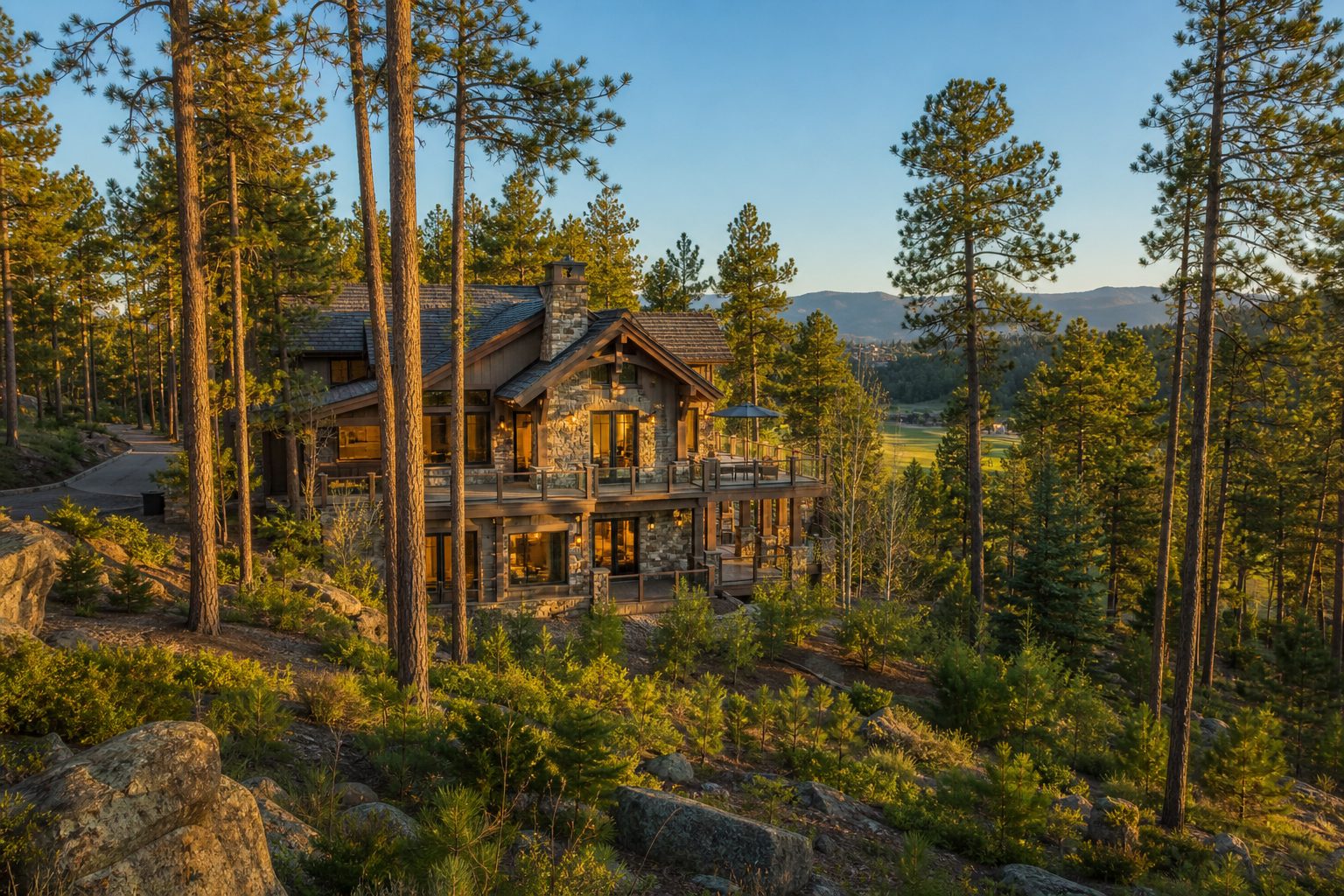
Castle Pines Village is the crown jewel. Inside the staffed, 24/7 security gates, you will find ponderosa pine lots, custom builds, and access to the Country Club at Castle Pines, a Jack Nicklaus-designed private course that hosted the International PGA Tour event for two decades. Walking Timber Wolf Trail or Country Club Drive at dusk, you will notice something rare for a suburb 25 minutes from the Denver Tech Center: no strip malls in sight, deep lots, long driveways, and deer grazing along the fairways.
Here is what your budget buys inside the Village:
- $1M to $1.3M: Ranch or two-story on a wooded lot, 3,500 to 4,500 square feet, original or partially updated finishes, mature pines framing the backyard
- $1.5M to $1.8M: Custom or semi-custom homes, 5,000+ square feet, walk-out basements, main-floor primary suites, golf or open-space views
- $2M and above: True estate lots backing to Country Club fairways with high-end finishes, designer kitchens, and stone facades blending into the hillside
The median sale price in Castle Pines Village has recently sat around $1.6 million, with homes selling in roughly 33 days, down from 67 days the prior year. That acceleration signals renewed buyer urgency at this price point. So what does that mean if you are considering a move? It means the best Village properties are not sitting around waiting for you.
Castle Rock: Master-Planned Variety and a Broader Luxury Range
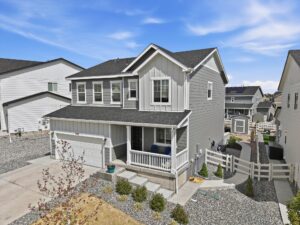
Castle Rock is not one market. It is six or seven, depending on the neighborhood. What I tell my clients is that Castle Rock gives you far more options within the luxury segment, but you have to know which neighborhoods actually deliver the caliber of home and setting you are after.
For luxury buyers, the communities worth evaluating include Montaine, Macanta, Escavera, Diamond Ridge, and Forest Park. Each offers a distinct character:
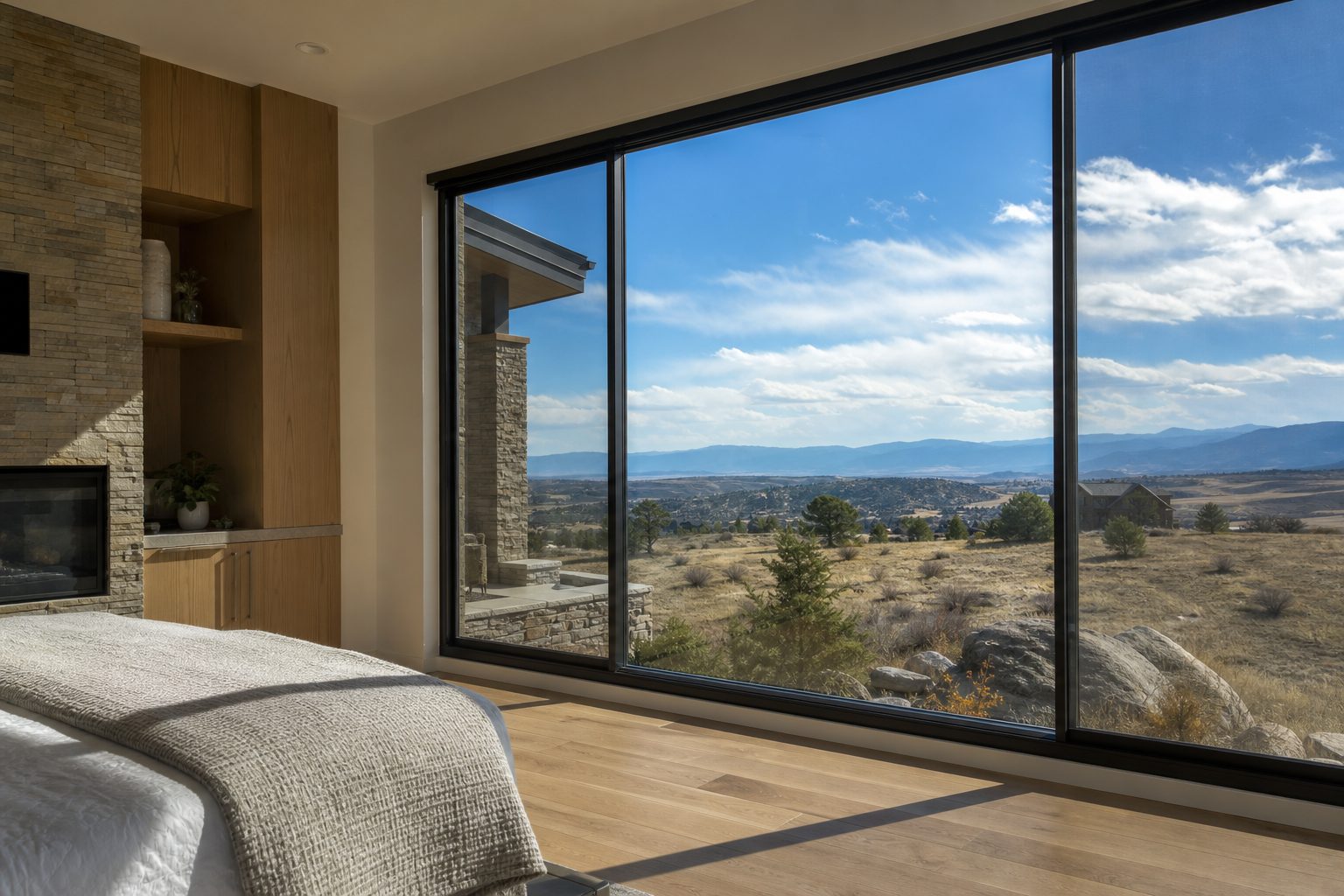
- Montaine features newer construction on open terrain with mountain views, a more contemporary aesthetic, and lower wildfire risk than wooded Village lots
- Macanta provides semi-custom and custom homes in the $800K to $1.3M range with a village-center feel
- Diamond Ridge offers established luxury homes with larger lots south of the Meadows
- Forest Park and Escavera deliver custom-home opportunities on acreage with a more rural, private feel
Castle Rock’s overall median home price sits at $635,500, but luxury-tier homes in these specific neighborhoods routinely trade between $800,000 and $1.5 million. Properties are moving in about 26 days, with inventory at 3.1 months of supply and homes selling for 99.1% of asking price. Over the past decade, Castle Rock’s median has climbed from $308,000 to $693,000, reflecting consistent, strong appreciation.
Taxes, HOA Fees, and the True Cost of Ownership in Castle Pines and Castle Rock
You cannot compare these communities on purchase price alone. The total annual cost of ownership varies dramatically, and I have seen buyers surprised by these differences even after doing their homework. According to the Consumer Finance Protection Bureau’s guide on financial considerations when buying a home, understanding all costs beyond the mortgage payment is critical to making a sound investment decision.
Property taxes: Douglas County’s mill levy is lower than Denver or Jefferson County, which is a long-term advantage for buyers in both communities. On a median-priced Castle Pines Village home, expect to pay $7,500 to $15,000 annually. Castle Rock luxury homes will typically land lower due to their comparatively lower assessed values.
HOA fees: Castle Pines Village has its own HOA structure with substantial fees covering 24/7 staffed gates, private security, and community maintenance. The Canyons and other Castle Pines metro-district areas carry additional assessments of $1,500 to $4,000 per year on top of standard HOA dues. Castle Rock master-planned communities also carry HOA obligations, but they tend to be less complex and lower in total annual cost.
Insurance and wildfire: This is where the conversation gets real. Castle Pines Village’s wooded, pine-forested setting is precisely what makes it stunning, and precisely what demands wildfire due diligence. Home insurance premiums are meaningfully higher for treed lots compared to open-terrain communities like Montaine or The Canyons. You should request a Colorado Division of Fire Prevention risk assessment for any specific parcel and confirm defensible-space compliance with the Village’s guidelines.
One couple I recently guided through this comparison had their hearts set on a wooded Castle Pines Village lot until we ran the full cost comparison. Between the higher HOA, elevated insurance premiums, and metro-district assessments, their annual carrying costs were nearly $8,000 more than a comparably priced home in Montaine. They ultimately chose Montaine and used the savings toward a stunning kitchen remodel. That is the kind of clarity you deserve before committing.
Schools, Commutes, and Daily Life: Castle Rock and Castle Pines Compared
Both communities are served by the Douglas County School District (DCSD), one of Colorado’s top-performing districts. DCSD uses choice-based enrollment, meaning you can apply to any school in the district regardless of your home address. Many Castle Pines families send students to schools physically located in Castle Rock or Highlands Ranch.
Key schools in the draw area include:
- Buffalo Ridge Elementary: GreatSchools rating 8 out of 10, strong STEM programs
- Rocky Heights Middle School: GreatSchools rating 9 out of 10, top-ranked in Douglas County
- Rock Canyon High School: GreatSchools rating 9 out of 10, IB program, competitive athletics
Commutes from Castle Pines Village average about 24.3 minutes, with the Denver Tech Center roughly 22 to 28 minutes north via I-25. Castle Rock adds approximately 10 to 12 minutes to that drive, depending on which neighborhood you choose. If your office is in the DTC corridor, Castle Pines offers a measurably shorter daily commute.
Shopping and dining is where Castle Rock pulls ahead decisively. Castle Rock’s downtown, the Outlets at Castle Rock, and the growing Meadows retail corridor provide far more restaurant, retail, and entertainment options within the community itself. Castle Pines residents typically drive south to Castle Rock or north to Lone Tree and Park Meadows for most errands and dining. What I always mention to clients weighing this tradeoff: Castle Pines gives you a retreat; Castle Rock gives you a town.
Resale Value and Buyer Demand: Where Your Investment Goes Further
Having closed over 469 transactions and watched this market evolve over three decades, I can tell you that resale dynamics differ significantly between these communities.
Castle Pines Village’s luxury market often behaves independently of the broader market. Limited custom-home inventory, combined with high demand for specific amenities like Country Club access, gated security, and emergency services, means properties here tend to retain value exceptionally well. Between 2023 and 2024, the median property value in the Village increased from $1.26 million to $1.45 million, a 15.3% jump.
Castle Rock, meanwhile, benefits from a much larger and more diverse buyer pool. More housing types, more price points, and a wider range of amenities mean more potential buyers when you sell. Homes in Castle Rock’s luxury tier are currently selling for 99.1% of asking price, and the town is projecting 300 single-family permits and 110 multifamily permits for 2026, signaling continued investment and growth.
The affluent buyer pool in both communities increasingly includes relocators from coastal states drawn to the Colorado lifestyle: golf, open space, mountain views, and a lower cost of living relative to California or the Northeast. These buyers are often paying cash, which benefits both markets.
Frequently Asked Questions
Is Castle Pines Village the same as the City of Castle Pines?
No. These are distinct entities with different tax structures, governing associations, and fee obligations. Castle Pines Village is a private, gated community with its own HOA and 24/7 security. The City of Castle Pines is a separate municipality. A “Castle Pines” mailing address alone does not mean a home is inside the Village gates. Always verify jurisdiction before making an offer.
What is the median home price in Castle Pines Village in 2026?
The median sale price in Castle Pines Village has recently been around $1.6 million, with some data sources showing peak-tier median list prices near $1.85 million. Prices vary widely based on lot position, golf course views, and level of customization.
How does Castle Rock’s luxury market compare in price to Castle Pines?
Castle Rock’s overall median is $635,500, but luxury neighborhoods like Montaine, Macanta, and Diamond Ridge trade between $800,000 and $1.5 million. You will generally get more square footage and newer construction per dollar in Castle Rock than inside Castle Pines Village.
Are there gated communities in Castle Rock?
Castle Rock’s luxury neighborhoods are generally non-gated. If staffed-gate, 24/7 security is a priority, Castle Pines Village is the primary option in this corridor. Some Castle Rock communities have controlled-access features, but none match the Village’s private security infrastructure.
How long are commute times from Castle Rock to the Denver Tech Center?
Plan for approximately 30 to 40 minutes depending on the neighborhood and time of day. Castle Pines Village commuters typically reach the DTC in 22 to 28 minutes, saving roughly 10 minutes each way compared to most Castle Rock starting points.
Which community has better schools?
Both are served by Douglas County School District. Key schools like Rock Canyon High School (rated 9 out of 10) and Rocky Heights Middle School (rated 9 out of 10) are accessible to families in either community through DCSD’s choice enrollment system.
Is wildfire risk higher in Castle Pines Village?
Yes. The wooded ponderosa pine setting that defines the Village also carries higher wildfire exposure than open-terrain Castle Rock neighborhoods. Insurance premiums reflect this. Buyers should request a fire prevention risk assessment and confirm defensible-space compliance for any Village property.
What golf options are available in Castle Pines?
The Country Club at Castle Pines offers a Jack Nicklaus-designed private course, and The Golf Club at Castle Pines provides additional play. These are among Colorado’s most prestigious private golf memberships. Castle Rock has public and semi-private options but lacks a comparable private club.
Which community offers more shopping and dining?
Castle Rock wins this comparison. Downtown Castle Rock, the Outlets, and the Meadows retail corridor provide extensive dining, shopping, and entertainment. Castle Pines residents typically drive to Castle Rock or north to Lone Tree for most retail needs.
Should I work with a local agent when comparing Castle Pines and Castle Rock?
Absolutely. The differences in taxing authorities, HOA structures, metro districts, and wildfire insurance make it essential to work with someone who understands each community at the parcel level. With 130 five-star reviews and 30 years specializing in Douglas County luxury real estate, I can walk you through every detail for any property in either community.
The Bottom Line
Castle Pines and Castle Rock are not interchangeable, and treating them that way is the most expensive mistake a luxury buyer can make in this corridor. Castle Pines Village delivers gated privacy, wooded estate living, and elite golf club access for buyers willing to invest in the premium tier. Castle Rock provides a broader range of luxury neighborhoods, newer construction options, more daily conveniences, and a wider resale buyer pool.
The right choice comes down to what you value most: seclusion or walkable amenities, wooded lots or open-terrain views, exclusive club access or community variety. I am David Richins, and after 30 years and 469 transactions in the Denver South Metro, I help luxury buyers make this decision with confidence every week. Call me at 303-882-7706 or visit DavidRichins.com to start your comparison with a guided tour of both communities.