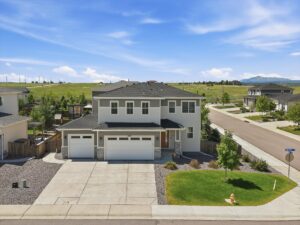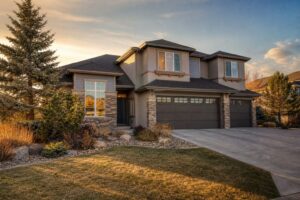
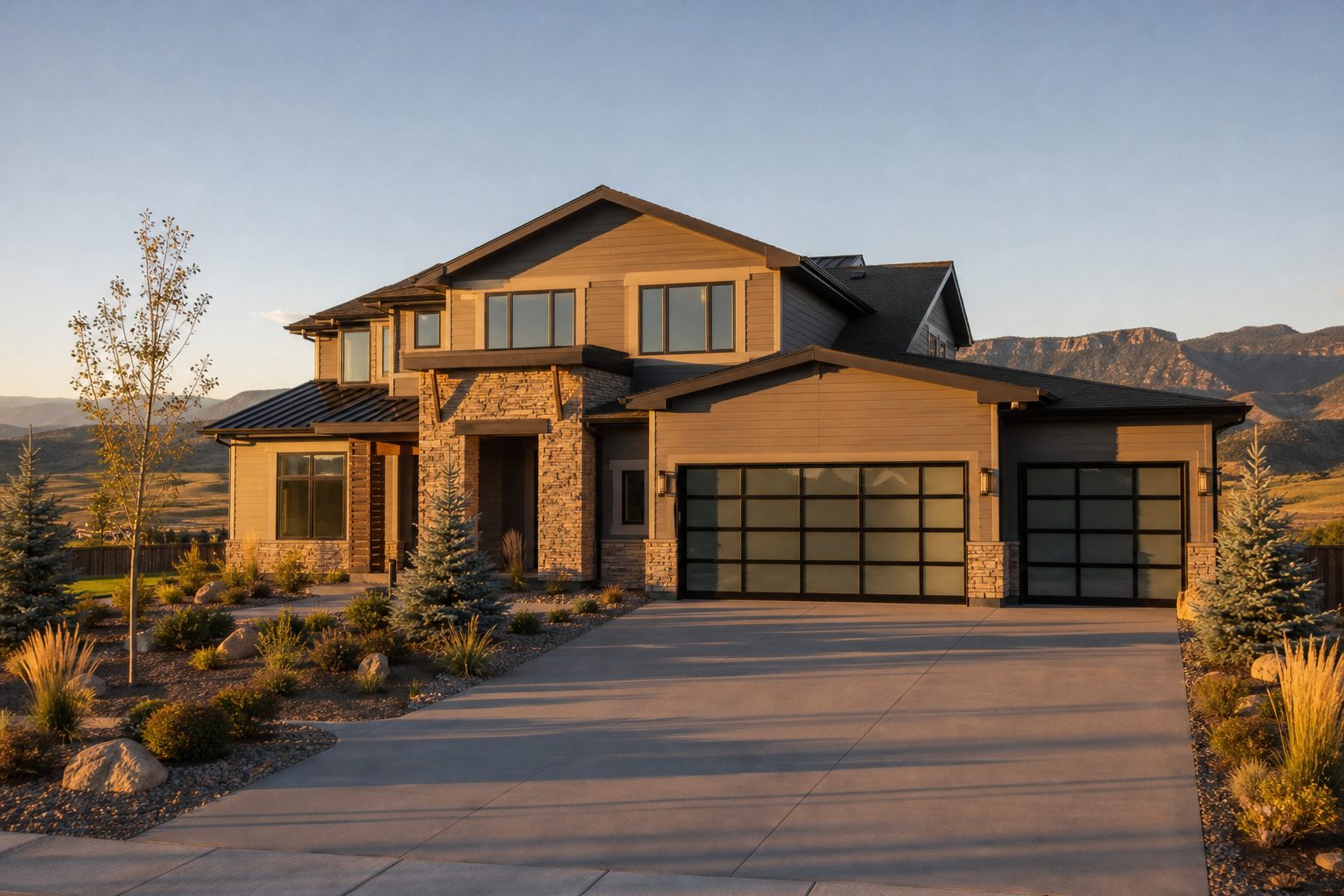
Denver’s population is shifting south. What does this really mean for the housing market in Castle Rock, Douglas County, and South Metro Denver?
Buyers are expanding their search radius into Douglas County and South Metro Denver because they can get more house, more land, and more lifestyle for their money, and that shift is reshaping home values, competition, and seller strategy across the entire I-25 corridor.
Why This Population Shift Matters Right Now in South Metro Denver
Denver lost 978 residents between the 2024 and 2025 estimates. Meanwhile, Douglas County led all Denver metro counties with roughly 6,300 new residents and 1.6% growth. From 2020 to 2024, Douglas County gained about 34,000 people, an increase of approximately 9%.
This is not a minor blip. Arapahoe County experienced a net out-migration of 1,884 residents. Jefferson County’s population declined by 600, the largest drop in the state. Denver County itself posted a net migration loss of 903.
So where is everyone going? Having worked in Colorado real estate for 30 years, I can tell you the answer is not one single destination. It is a pattern. Buyers are following housing availability, and communities like Castle Rock, Parker, Castle Pines, Highlands Ranch, Lone Tree, Franktown, Larkspur, and Elizabeth are on the receiving end of that migration.
What I tell my clients is simple: the county lines have not changed, but where Denver metro buyers are willing to live certainly has.
Why Buyers Are Choosing Douglas County and Castle Rock Over Denver
There is not one reason buyers are heading south. For some, it is affordability. For others, it is square footage. It can be newer construction, additional bedrooms, larger lots, a three-car garage, access to open space, community amenities, or simply finding a house that better fits how they actually live.
But there is another factor that does not get enough attention: housing availability.
Established portions of Denver, Englewood, Centennial, and other mature communities have limited ability to suddenly create thousands of new single-family homes. Douglas County has more opportunities for continued residential development. That creates choices. And choices redirect demand.
I have watched buyers begin their home search focused on one particular location only to gradually expand the map after seeing what their budget actually purchases. Maybe $750,000 does not provide the house they expected closer to Denver. Now they have three options:
- Spend more to stay in the original location
- Compromise on the house and accept fewer bedrooms, a smaller lot, or an older property
- Change the location and discover what Castle Rock, Parker, or Castle Pines can offer
One couple I worked with recently started their search in Centennial. They wanted four bedrooms, a three-car garage, and a yard. At $700,000, they found themselves looking at homes built in the 1990s that needed significant updates. When we toured Castle Rock, specifically homes in The Meadows and Crystal Valley Ranch, their reaction was immediate. They found newer construction, larger lots, and community amenities like parks and trail systems. They closed on a home near Ridgeline Open Space and have not looked back.
How Castle Rock and Castle Pines Real Estate Differs from Denver Metro Averages
You cannot rely on metro-wide statistics to make a smart real estate decision in South Metro Denver. The Denver metro typical home value sits around $539,000 to $600,000 depending on the data source. But Douglas County’s median listing price reached $775,000 as of April 2026.
Even within Douglas County, the differences are dramatic:
- Castle Rock ranges from $600,000 to $900,000 depending on neighborhood, with Downtown Castle Rock averaging around $600,000 and luxury neighborhoods like Happy Canyon carrying a median closer to $978,000
- Castle Pines operates at a higher level entirely, with luxury homes ranging from $875,000 to well over $1.6 million
- Parker offers balance between suburban convenience and newer housing, typically $650,000 to $900,000 and beyond
- Franktown acreage attracts a completely different buyer, someone looking for horses, workshops, outbuildings, and privacy, typically $700,000 to $1.2 million or more
Properties in Douglas County currently average about 41 days on market, up from roughly 34 days last year. The sale-to-list-price ratio sits at 96.22%, and 56.64% of listed homes have seen price reductions, up 4.2 percentage points year over year.
What does that actually mean for you? It means buyers have more leverage than they have had since 2019. It also means sellers need sharper pricing strategies, especially near new construction.
New Construction Is Changing the Competitive Landscape in Castle Rock
This may be the most overlooked part of the current market, and it is something I bring up with nearly every seller I meet.
Builders have something individual homeowners generally do not: financial incentives. Depending on the builder, community, and inventory, those incentives can include mortgage-rate buydowns, closing-cost assistance, design-center credits, and finished-basement packages.
Imagine your Castle Rock resale is listed at $750,000. A nearby new home is also around $750,000. Your home needs carpet and paint. The builder offers financing incentives that potentially lower the buyer’s monthly payment by several hundred dollars. Those homes might appear similarly priced online, but financially, they are not competing at the same level at all.
A seller in The Meadows neighborhood recently came to me after their home sat on the market for 45 days with zero offers. When we analyzed the competition, we discovered three builders within a five-mile radius offering rate buydowns and closing-cost incentives on completed inventory homes. Once we adjusted the pricing strategy and invested in targeted pre-listing updates, the home went under contract within two weeks.
With over 469 closed transactions and more than $500 million in career sales, I have seen how quickly the competitive picture changes when builders enter the equation. If you are selling near new construction in Castle Rock, Parker, or Castle Pines, you need to know exactly what those builders are offering this week.
What South Metro Denver Sellers Should Ask Before Pricing Their Home
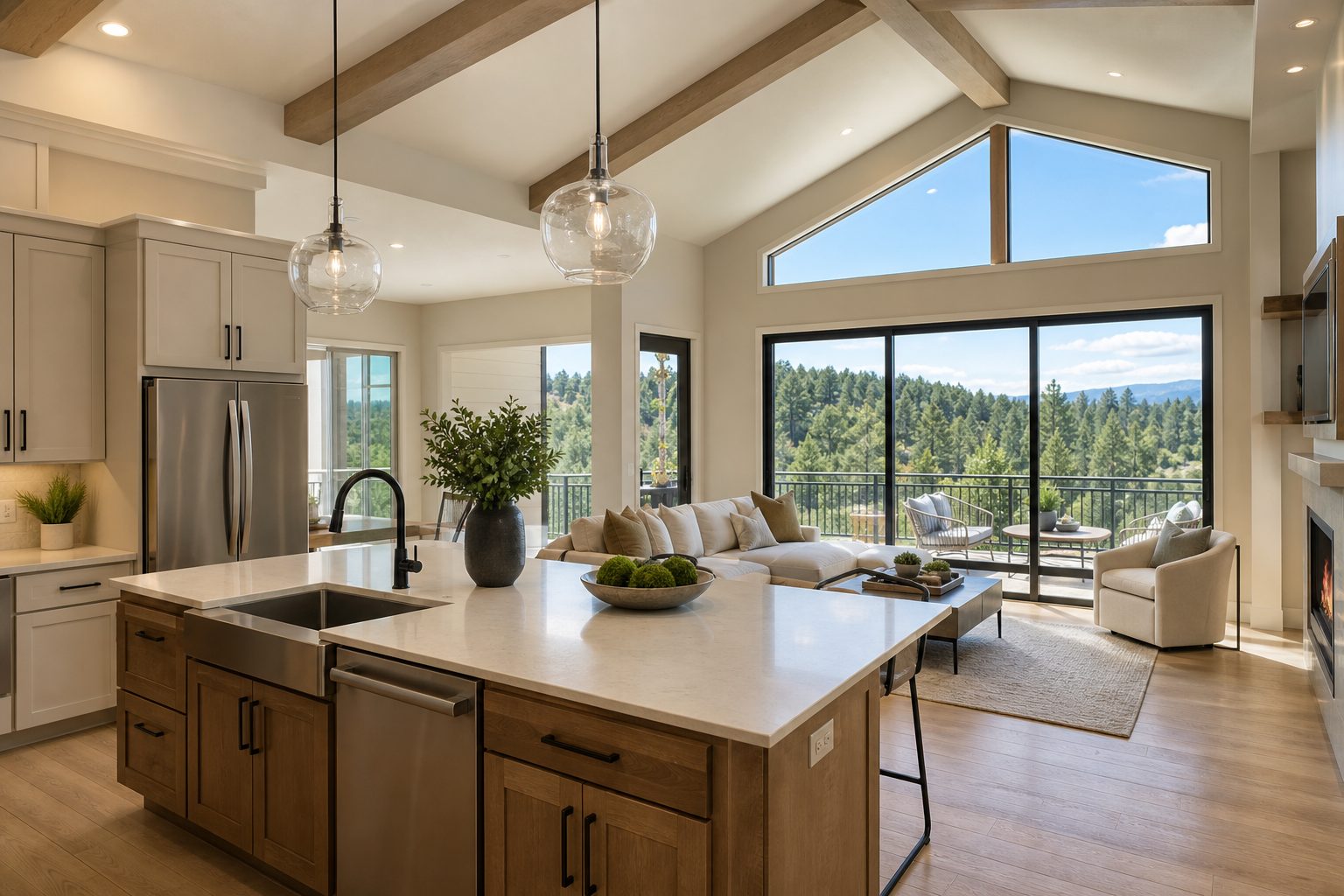
For years, the standard question has been: “What did the house next door sell for?” That still matters. But today, I would add another question: “What else can my buyer purchase for approximately the same monthly payment?”
Your Castle Rock resale might be competing against new construction in Terrain or Montaine. Your Castle Pines luxury home might compete against properties in Lone Tree or Parker. Your Parker buyer might decide Centennial works better for their commute.
The Denver Regional Council of Governments expects the wider region to reach 4.2 million residents and 1.86 million households by 2050. That growth will not spread evenly. It will concentrate where housing availability, lifestyle amenities, and value intersect, and right now, communities along the South Metro I-25 corridor are capturing a disproportionate share.
With 130 five-star reviews from past clients, what I consistently hear is that the most valuable thing I provided was context. Not just comparable sales, but a complete picture of who the likely buyer is, what alternatives they are evaluating, and how to position a property to win in that specific competitive set.
How the Shift Affects Highlands Ranch, Lone Tree, and Centennial
Not every buyer expanding outside Denver wants to move farther away. Highlands Ranch and Lone Tree appeal to buyers who want to remain closely connected to the Denver Tech Center, the I-25 corridor, and established South Metro amenities. Highlands Ranch homes typically range from $575,000 to $850,000, while Lone Tree spans $550,000 to $900,000.
Centennial offers a broad range of established suburban housing, and Aurora provides one of the metro area’s widest ranges of price points. Englewood gives buyers another alternative for those prioritizing proximity to Denver and the South Metro employment corridor.
These are not interchangeable communities. A $600,000 home in each of these areas will give you a dramatically different property, lot, commute, and lifestyle. That is exactly why metro-wide averages are not useful when you are making an individual real estate decision. The better question is always: “What is happening with homes like this one, in this location, at this price point?”
Frequently Asked Questions About Denver’s Population Shift and South Metro Real Estate
Is Denver’s population actually declining?
Denver lost 978 residents between the 2024 and 2025 estimates, and the Colorado State Demography Office confirmed a net migration loss of 903. The city still has over 700,000 residents, but the trend marks a significant reversal from years of rapid growth. The broader metro area continues to grow, driven primarily by Douglas County gains.
Why is Douglas County growing so much faster than other Denver metro counties?
Douglas County added roughly 34,000 people from 2020 to 2024, about a 9% increase. The combination of available land for new development, strong schools, access to I-25, and a wide range of housing options from suburban subdivisions to rural acreage makes it attractive to families, professionals, and retirees alike.
Will Denver’s population loss cause home prices to drop across the metro?
Not automatically. A county losing residents through net migration does not automatically create thousands of additional homes for sale. Many homeowners hold mortgage rates they do not want to give up. Instead, expect a slower, more selective market where buyers take longer, compare more properties, and negotiate harder.
What is the median home price in Douglas County right now?
The median listing price in Douglas County was $775,000 as of April 2026, according to Federal Reserve Economic Data. Recent closed sales reflect a median of $726,650, up 2% year over year. However, prices vary widely by community, from Elizabeth around $500,000 to Castle Pines well over $1 million.
How long are homes taking to sell in Douglas County?
The median days on market in Douglas County was approximately 41 days, up from about 34 days the previous year. Homes requiring significant updates or priced above market value are taking longer, while turnkey properties continue to attract faster offers.
Is Castle Rock cheaper than Denver?
Sometimes, but this deserves more than a yes-or-no answer. You may get considerably more square footage in Castle Rock, but you also need to factor property taxes, HOA or metro district fees, insurance, commuting costs, and the specific neighborhood. Compare lifestyle cost along with housing cost for the clearest picture.
Are buyers getting more negotiating power in South Metro Denver?
In many situations, yes. The sale-to-list-price ratio in Douglas County is 96.22%, and over 56% of listed homes have seen price reductions. However, leverage varies by community, price range, and property condition. A turnkey Castle Rock home may still see competitive offers while a dated property sits.
How does new construction affect my resale value in Castle Rock?
Builders offering mortgage-rate buydowns and closing-cost incentives can effectively compete at a lower monthly payment than your resale, even at the same list price. Sellers near active new-construction communities need to understand what incentives builders are currently offering and price accordingly.
What makes Franktown and Elizabeth different from other South Metro communities?
Buyers considering Franktown acreage or Elizabeth properties want something completely different from subdivision living. Well production, septic systems, road access, zoning, usable acreage, and outbuildings all matter. Two properties located relatively close together can have dramatically different values. Rural real estate requires a different level of due diligence.
How do I know which South Metro Denver community is right for me?
Start with your Monday through Friday. Where do you work? How much driving are you comfortable doing? Do you want a golf course view or a horse property? A master-planned community or a custom home on pines-covered acreage? Those answers narrow the search much more effectively than any “best suburb” ranking.
The Bottom Line for South Metro Denver Buyers and Sellers
Denver’s population is not simply leaving. Housing demand is shifting geographically, and Douglas County and South Metro Denver communities are capturing the majority of that movement. For buyers, this creates more options and more negotiating leverage than you have had in years. For sellers, it means your competition extends well beyond the house two streets away.
The questions that matter most are specific: Who is buying homes like yours right now? What communities are those buyers also considering? What can they purchase for the same monthly payment? Are you competing against new construction, and what incentives are those builders offering?
If you are buying, selling, or relocating within Castle Rock, Castle Pines, Parker, Franktown, Highlands Ranch, Lone Tree, or anywhere in South Metro Denver, I am happy to walk through the numbers with you. Call or text me, David Richins, at 303-882-7706. After 30 years and nearly 470 transactions in this market, my approach is straightforward: the goal is not to convince you to buy or sell. It is to give you enough local information to make a better real estate decision.