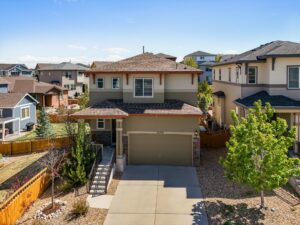
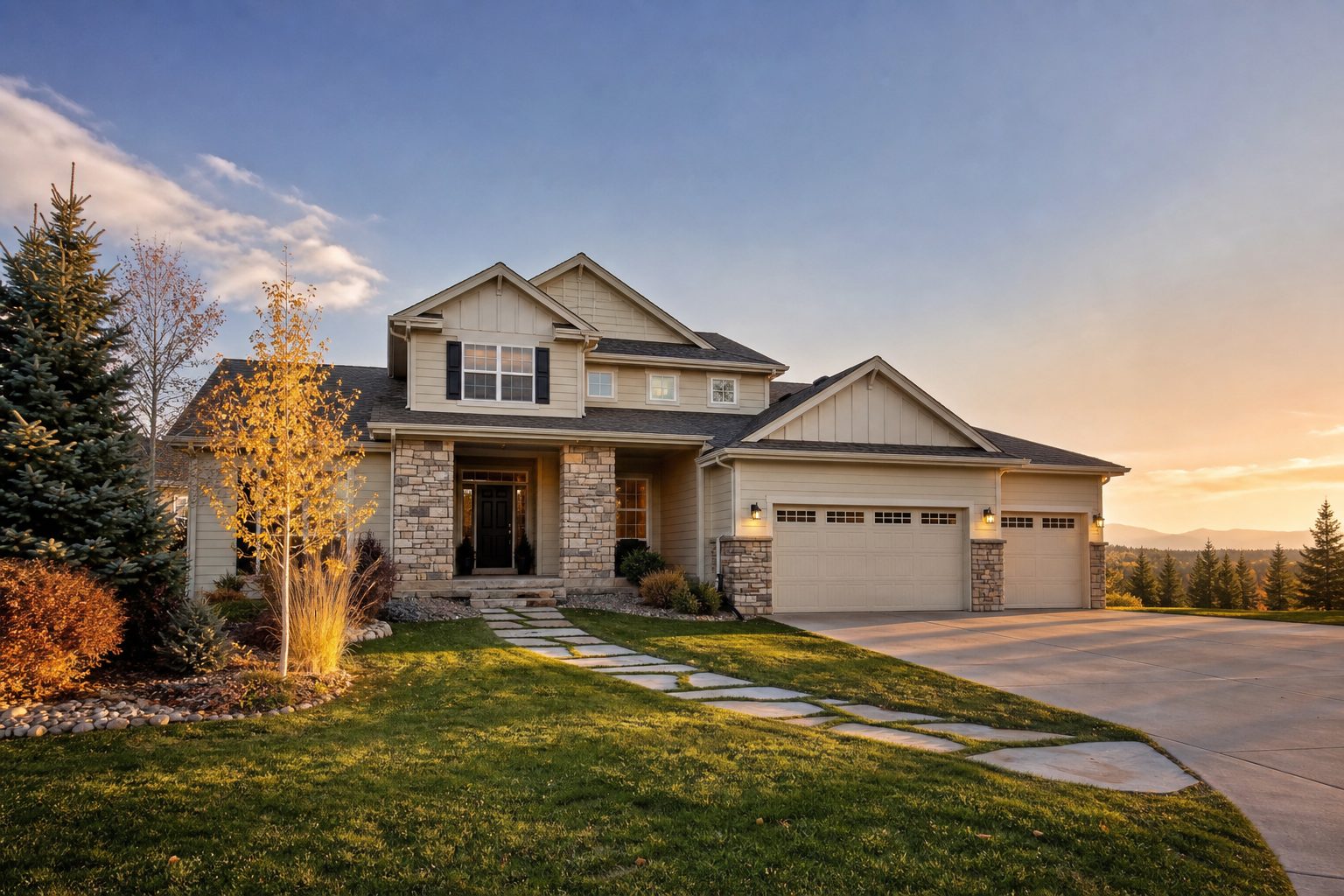
Should you list your Castle Rock home below its appraised value to spark a bidding war, or price it higher to leave room for negotiation?
In most Castle Rock neighborhoods right now, listing below appraised value is a high-risk move that rarely pays off. The safer strategy for most sellers is pricing at or just below market value and letting condition, presentation, and timing do the heavy lifting.
Why This Pricing Decision Matters in Douglas County Right Now
If you’re a move-up seller in Castle Rock, Parker, or Highlands Ranch thinking about your next move, pricing strategy is everything in this market. And the question of whether to underprice your home on purpose is one I hear constantly.
Here’s the reality. As of late May 2026, Castle Rock’s median home price sat at $715,000, down 0.7% year over year, per Redfin data. Nearly 48% of Castle Rock listings had taken a price reduction, up 13.3 points from the prior year, according to the same data set. Months of supply climbed to 5.6, almost double the 3.22 months recorded a year earlier.
What does that tell you? This is not the frenzied 2021 market where underpricing almost guaranteed multiple offers above ask. With 30 years of experience and over 469 closed transactions across the Denver South Metro, I can tell you that pricing strategy needs to match the market you’re actually in, not the one you remember.
How the “List Low to Create a Bidding War” Strategy Actually Works in Castle Rock
The theory behind underpricing is simple: you list your home noticeably below its appraised or market value, generate a flood of showings, and let competing offers drive the price above where you would have listed anyway.
So does it work in Castle Rock in 2026? Sometimes, but less often than sellers hope.
When Underpricing Can Work
This strategy has the best shot in Castle Rock’s most desirable pockets where inventory is tight and homes show well. For example, homes in The Meadows were going pending in about 12 days as of early 2026, per Zillow data. In a micro-market like that, a well-staged home priced 3% to 5% below comparable sales could attract competing offers.
But you need several conditions to align: low neighborhood-level inventory, excellent condition, broad buyer appeal, and a price point that hits the sweet spot of what local buyers can actually afford at today’s mortgage rates.
When It Backfires
With the 30-year fixed mortgage rate averaging 6.76% as of September 2026 (per Freddie Mac), buyer purchasing power is squeezed. DMAR data from August 2026 shows the metro-wide sale-to-list ratio at 98.6%. That means, on average, homes are closing below their asking price. Deliberately listing low in that environment risks simply selling low, because the bidding war you expected never materializes.
Only 15.07% of Castle Rock homes sold above list price in recent months, according to Redfin data. That means roughly 85% of sellers did not see offers exceed their asking price. Those are not great odds for an underpricing gamble.
Pricing to Leave Room for Negotiation: Is That Smarter in the South Metro?
The opposite approach, listing above appraised value to leave negotiation cushion, carries its own risks. But in a market where buyers have more choices and concessions are the norm, there is a version of this strategy that makes sense.
Here’s what I tell my clients. In June 2026, 48% of closings above $1 million in the Denver metro included seller concessions averaging $15,326, according to REcolorado data. If you’re selling a Castle Pines home in the $800,000 to $1 million range, you should expect buyers to ask for concessions. Pricing with that expectation built in is not padding your price; it is strategic math.
The key is understanding the difference between “room to negotiate” and “overpriced.” Douglas County’s median days in MLS hit 40 in April 2026, per REcolorado data. Overpriced homes sit, grow stale, and ultimately sell for less than they would have if priced correctly from day one.
What the Data Says About Pricing Accuracy in Castle Rock and Parker
The numbers tell a clear story about what happens when pricing goes wrong.
- Castle Rock’s median sale-to-list ratio was 97.85% as of late May 2026, down half a point year over year (Redfin data)
- Founders Village saw a $512,500 median sale price in March 2026, down 5.9% year over year, with homes averaging 52 days on market (Redfin data)
- The Meadows median closed sale was $630,000 in March 2026, also per Redfin
The spread between neighborhoods is enormous. Some Castle Rock homes closed at around $495,000 after sitting for 201 days, while others reached $670,000 in 39 days, per data reported by Lane Lyon. That gap points to one thing: pricing discipline and presentation have an outsized effect on your outcome.
So which strategy wins? Neither extreme. The homes that sell fastest and for the strongest price are the ones priced right at market value with impeccable condition and smart marketing. Having closed 469 transactions, I’ve watched this pattern repeat in Castle Rock, Parker, Lone Tree, and across the South Metro for three decades.
How to Choose the Right Pricing Strategy for Your Douglas County Home
Your pricing approach should depend on your specific situation. Here is a framework I walk my sellers through.
Price at or Slightly Below Market When:
- Your home is in a high-demand Castle Rock neighborhood (The Meadows, Crystal Valley)
- Comparable homes are going pending in under 20 days
- Your home shows at the top of its price range in condition and updates
- You can be flexible on your closing timeline
Price With a Small Negotiation Buffer When:
- You’re selling in the $700,000 to $1 million-plus range in Castle Pines, Lone Tree, or Franktown
- You know concession requests are likely (and the data says they are)
- Your neighborhood has 5-plus months of supply
- You need time to secure your next home before closing
What to Avoid Entirely:
- Listing more than 5% above your most recent comparable sales without a clear justification
- Underpricing by more than 3% in a neighborhood with rising inventory
- Ignoring what new construction is doing to your competition (Castle Rock projects roughly 300 single-family permits for 2026, per Town of Castle Rock data)
What Relocation Buyers Moving to Colorado Should Know About Offer Strategy
If you’re relocating to the Denver South Metro and wondering whether to offer below list price, the answer depends on the community you’re targeting.
In Castle Rock’s resale market, the data supports making offers at or modestly below asking. With a 97.85% sale-to-list ratio and nearly half of listings taking price reductions, you have leverage. But in premium enclaves like Castle Pines, where median prices hover in the mid-$800,000s with year-over-year gains near 4.8% (per South Metro trend data), lowball offers are less likely to succeed.
What I always tell relocation buyers: understand the metro district landscape. Newer communities in Castle Rock and parts of Parker carry additional mill levies that can add hundreds of dollars a year to your costs. That is a factor in your offer math, and it is something only a local agent will flag for you.
Frequently Asked Questions
Does listing below appraised value guarantee multiple offers in Castle Rock?
No. With only 15.07% of Castle Rock homes selling above list price in recent months (per Redfin data), a below-market list price does not guarantee competing offers. Market conditions, neighborhood demand, home condition, and timing all play larger roles than list price alone.
How much below appraised value should you consider listing?
If you choose this strategy, 2% to 4% below comparable sales is generally the range. Going further risks leaving money on the table in a market where the Castle Rock sale-to-list ratio is already running at 97.85% as of late May 2026 (Redfin data).
Is it better to overprice and negotiate down?
Slight overpricing (2% to 3%) to accommodate expected concessions can work, especially above $700,000 where concession rates are high. But genuine overpricing leads to stale listings. Douglas County’s median days in MLS was 40 in April 2026, per REcolorado data.
What are seller concessions, and should I expect them?
Concessions are credits or costs the seller covers for the buyer, often toward closing costs or rate buydowns. In June 2026, 48% of Denver metro closings above $1 million included concessions averaging $15,326, according to REcolorado data.
How long are Castle Rock homes sitting on the market in 2026?
The median days on market in Castle Rock was 29 as of late May 2026 (Redfin data). However, this varies wildly by neighborhood and price point. Founders Village averaged 52 days, while The Meadows saw homes go pending in roughly 12 days.
Does new construction in Castle Rock affect my resale pricing strategy?
Yes. The Town of Castle Rock projects approximately 300 single-family building permits for 2026. New construction competes directly with resale inventory and can cap your upside, particularly if your home needs updates.
What mortgage rate should Castle Rock sellers factor into buyer behavior?
The 30-year fixed averaged 6.76% as of September 2026, per Freddie Mac. At that rate, buyer purchasing power is roughly 41% lower than at 2021 rates, which directly affects how many buyers can compete for your home.
Should I price differently if I’m selling in Castle Pines versus Castle Rock?
Absolutely. Castle Pines median sale prices are running in the mid-$800,000s with stronger year-over-year appreciation, while Castle Rock’s median sits at $715,000 with slight declines. Different markets require different strategies even within the same county.
How does the current months of supply in Castle Rock affect pricing?
Castle Rock’s months of supply reached 5.6 as of late May 2026, nearly double the prior year’s 3.22 months (Redfin data). That shift gives buyers more negotiating power and makes aggressive underpricing riskier for sellers.
Can a Castle Rock real estate agent help me find the right pricing sweet spot?
An experienced agent who understands micro-market differences across Castle Rock, Castle Pines, Parker, and the broader South Metro is essential. With 130 five-star reviews and recognition as a top realtor in Colorado, I help sellers navigate exactly this kind of pricing decision every day.
The Bottom Line
There is no one-size-fits-all answer to this pricing question, and anyone who tells you otherwise is not paying attention to the data. In Castle Rock and across the Denver South Metro, the fall 2026 market rewards precision: pricing your home accurately based on real comparable sales, adjusting for neighborhood-level supply, and building in realistic room for the concession requests that now come with nearly half of all higher-end closings.
If you’re a move-up seller in Douglas County or a relocation buyer trying to understand how this market works, I would love to walk you through the numbers for your specific situation. Call me at 303-882-7706 or visit DavidRichins.com. After 30 years and 469 closed transactions in this market, getting the price right is the part of the job I take most seriously.