Lost Canyon Open Space in Castle Rock: What Douglas County Homebuyers Should Know
What is Lost Canyon Ranch Open Space, and how does it affect real estate in Douglas County, Colorado?
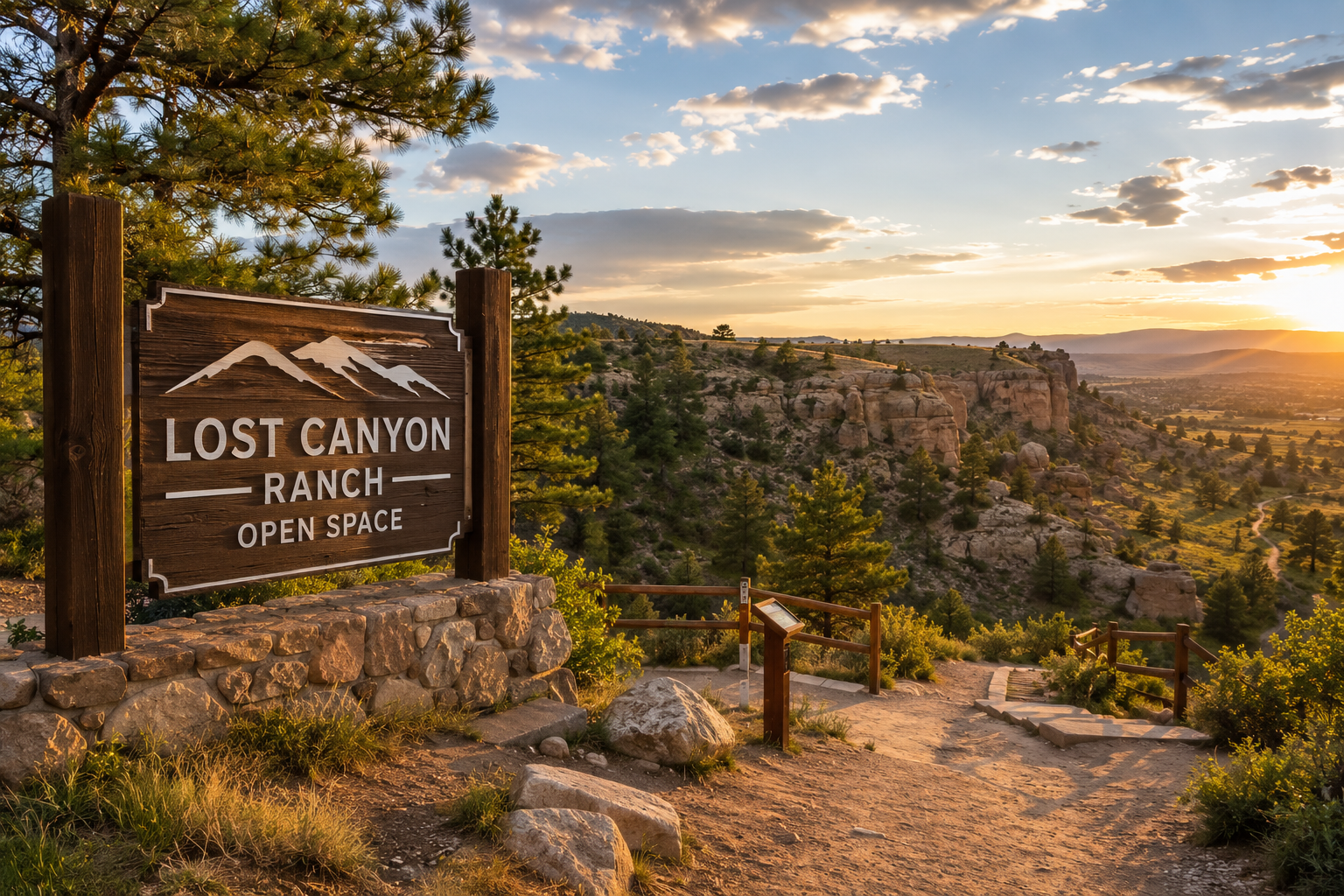
Lost Canyon Ranch Open Space is a newly opened 681-acre natural area on Castle Rock’s southeast edge featuring 10 miles of hiking trails through canyonlands, ponderosa forests, and grasslands. It is the largest open space acquisition in Castle Rock’s history and enhances property values across Douglas County.
Why Lost Canyon Open Space Matters for Douglas County Right Now
If you live in Douglas County or you’re thinking about moving here, this is the biggest recreation and conservation story in decades. Lost Canyon Ranch Open Space officially opened to the public on July 13, 2026, transforming 681 acres of previously private ranchland into a world-class hiking destination right on Castle Rock’s doorstep.
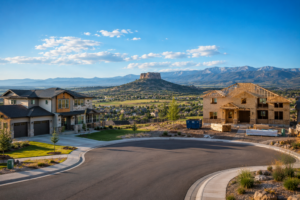
What I tell my clients is simple: open space doesn’t just make a neighborhood prettier. It makes it more valuable. Having closed over 469 transactions across the Denver South Metro over my 30 years as a Douglas County real estate agent, I’ve watched how trail systems and protected landscapes consistently drive buyer demand. Lost Canyon is different from a typical neighborhood park, though. This is a regionally significant conservation project, and it sits at the intersection of several communities that are already among Colorado’s most desirable.
So what does this mean for you? Whether you’re buying your first home near Castle Rock, upgrading to something with acreage near Franktown, or evaluating whether Douglas County is the right fit for a Colorado relocation, Lost Canyon changes the equation.
What Makes Lost Canyon Ranch Open Space Unique in Douglas County
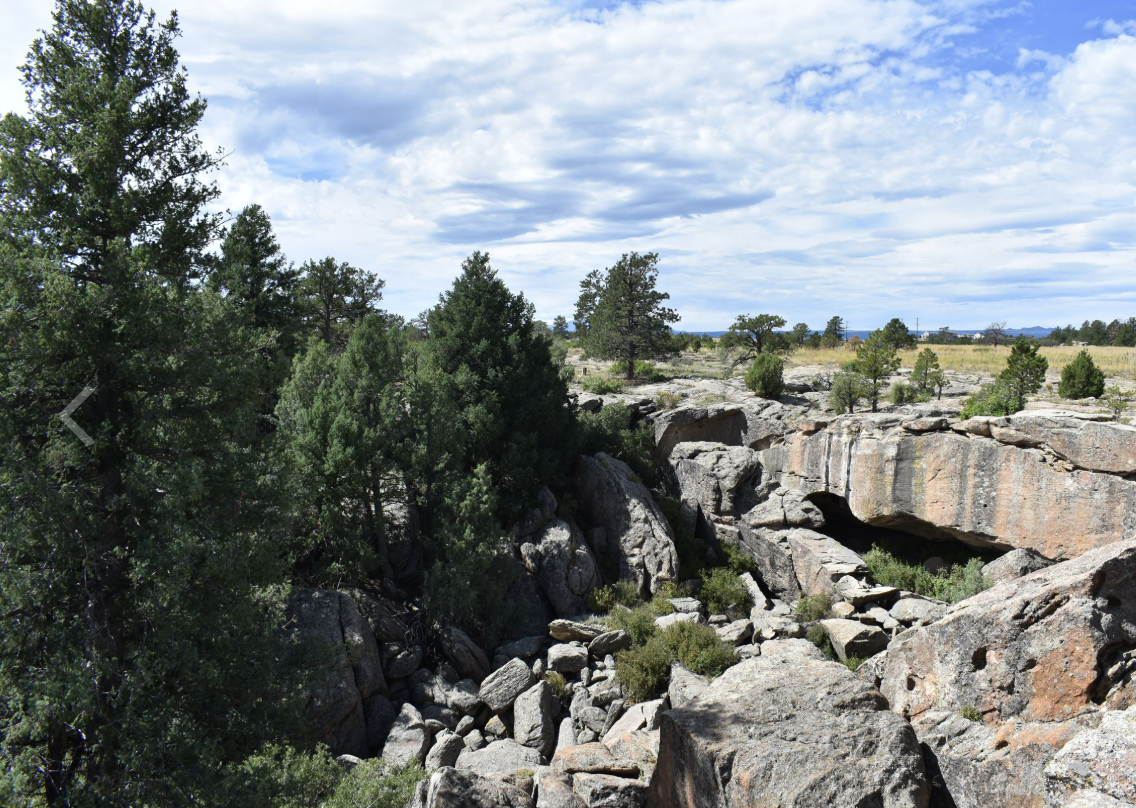
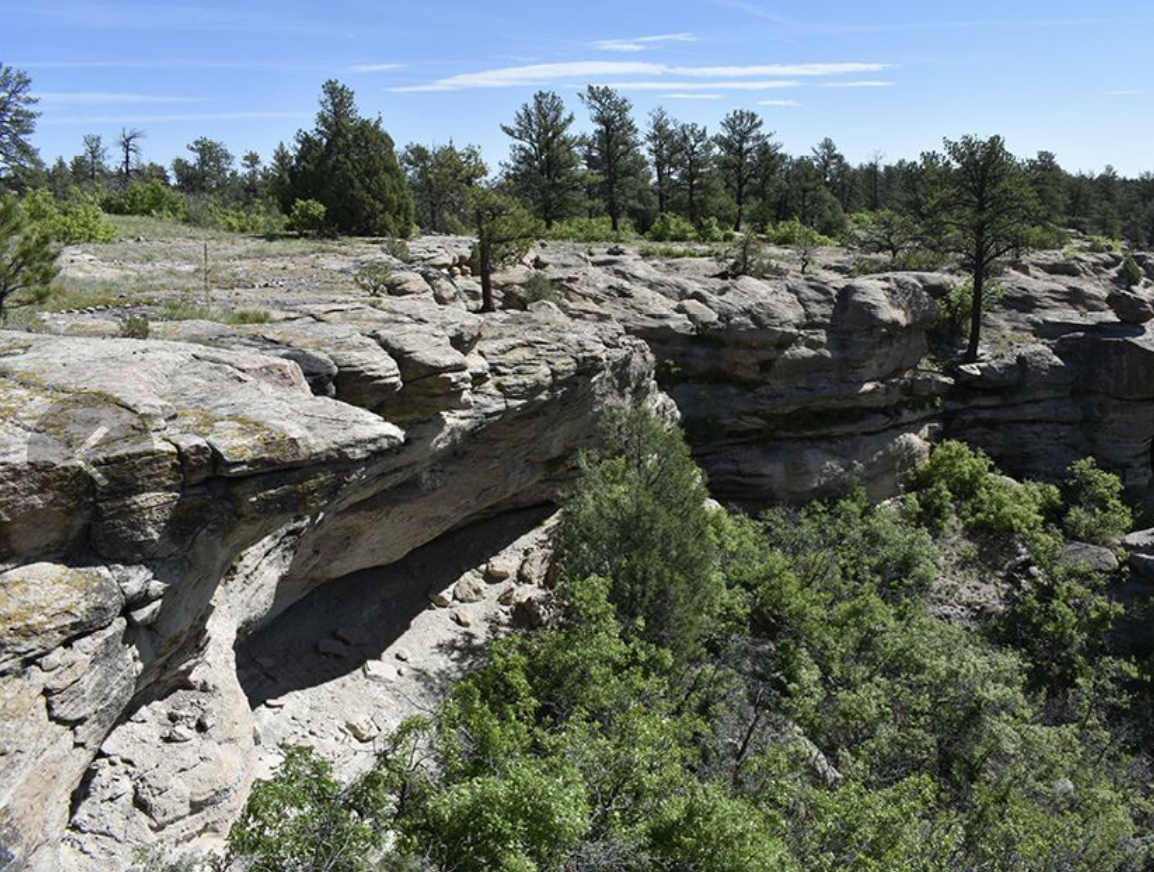
You won’t find anything quite like this property along the Front Range. The 681-acre landscape includes dramatic canyon cliffs carved by Willow Creek, mature ponderosa pine forests, creek-fed corridors, high plains grasslands, and exposed hoodoo rock formations. It borders Castlewood Canyon State Park, and a connector trail now links the two properties, creating nearly 4,300 acres of contiguous protected open space in eastern Douglas County.
Here’s what really sets it apart: Lost Canyon Ranch includes Franktown Cave, an archaeological site that humans occupied roughly 8,000 years ago. The property was privately held for generations, and its deep caves are home to giant black bears. Visitors now have free access to terrain that was hidden behind private gates for decades and could easily have become another housing development.
One family I recently worked with was relocating from Austin, Texas, and they initially focused on Highlands Ranch because of name recognition. After I drove them out to the southeast side of Castle Rock near Lost Canyon, they shifted their entire search. The combination of rugged scenery, proximity to Castlewood Canyon State Park, and the fact that you can reach the Denver Tech Center in 25 to 35 minutes sealed the deal. They closed on a home in Castlewood Ranch, where the median price sits around $726,485, and they’ve already hiked Lost Canyon three times.
Trail Details You Should Know Before Your First Visit
The open space currently features 10 miles of hiking trails, with construction on an additional 5 miles expected to wrap up this fall. Named trails include Rustler’s Ridge, Turkey Track, Gobbler’s Pass, Bootlegger’s Loop, Lost Moccasin, and Echoes of Ancestors Trail. Most are rated moderate or difficult with steep grades, rock steps, narrow passages, and cliff edges.
If you want something easier, try:
- Willow Creek Path from the Creekside Trailhead, which is ADA-accessible and follows a riparian corridor with 360-degree canyon views
- Pronghorn Path from the Cattleman’s Trailhead
A few rules to keep in mind: dogs and horses are not allowed, and bikes are only permitted on roadways. Cell service is limited throughout the property, so plan your route before heading in. The entrance is at 6581 Lost Canyon Ranch Road in Castle Rock.
How Lost Canyon Impacts Castle Rock Home Values and the Douglas County Market
Preserving open space has consistently ranked as a top community priority in Castle Rock’s community surveys, most recently in 2023 and 2025. With Lost Canyon added, more than 6,900 acres, roughly one-third of Castle Rock’s total land area, is now preserved as open space.
What does that mean for your property value? Castle Rock’s median home price sits at $644,000 as of spring 2026, and the median across Douglas County reaches $715,000. Annual appreciation has moderated, running around 0.8% recently, which points to a more balanced market. But homes near trail systems and protected open space in Douglas County consistently command a premium over comparable properties farther from these amenities.
As Castle Rock Mayor Jason Gray stated, open space is one of the defining features of Castle Rock’s quality of life. The roughly $15 million acquisition was funded through a partnership between the Town of Castle Rock, Douglas County open space initiatives (which contributed $5.5 million from its Open Space, Parks and Historic Resources sales and use tax), Great Outdoors Colorado ($3 million), The Conservation Fund ($200,000), and the Douglas Land Conservancy. Douglas County voters extended that open space tax in 2022 with nearly 80% approval. That level of community investment sends a clear signal about long-term property value protection.
The Neighborhoods Closest to Lost Canyon
If proximity to Lost Canyon matters to you, here are the communities within the closest range:
- Castlewood Ranch in Castle Rock: median home price around $726,485, a mix of single-family homes and townhomes
- The Meadows in Castle Rock: median around $659,150, one of the town’s most established master-planned communities
- Franktown: unincorporated Douglas County, more acreage-oriented properties, ideal if you want land and direct access to Castlewood Canyon State Park
- Happy Canyon (west Castle Rock): luxury market with a median around $978,972
With 130 five-star reviews from past clients and a rating of 5 out of 5, what I consistently hear is that buyers who discover Castle Rock’s outdoor recreation in Douglas County during their search end up feeling like they found something they didn’t know existed in the Denver metro.
Why Douglas County Buyers Prioritize Open Space Over Everything Else
You might assume that school ratings, commute times, or price per square foot top the list when buyers evaluate Douglas County. Those matter, absolutely. But in my 30 years working this market, open space access is the factor that tips decisions more often than people expect.
Here’s why it works differently here. Douglas County has secured water capacity through 2060, which gives Castle Rock a long-term growth advantage over other Colorado communities facing water constraints. The county also has some of the highest median incomes in the state. Buyers here aren’t looking for the cheapest house. They’re looking for quality of life, and access to places like Lost Canyon, Castlewood Canyon State Park, and Philip S. Miller Park is precisely what that means.
A couple I worked with last year was deciding between Parker and the southeast side of Castle Rock. Parker offered slightly newer construction at a similar price point. But once they walked the trails at Castlewood Canyon and learned that Lost Canyon was about to open right next door, they chose Castle Rock. Their reasoning was telling: “We can renovate a kitchen, but we can’t manufacture a canyon.” They found a 2,800 square foot home with a two-car garage for just under $725,000 and have a five-minute drive to the Lost Canyon trailhead.
Castle Rock’s Expansion Plans and What They Mean for Future Buyers
Lost Canyon isn’t done growing. Castle Rock’s Town Council has already approved the Parks and Recreation Department pursuing a $1.1 million purchase of 35 additional acres along the southeast edge of the open space. That expansion would push the total protected footprint even further and strengthen the wildlife corridor connecting Castle Rock to Castlewood Canyon State Park and Douglas County’s Prairie Canyon Ranch Open Space.
For you as a buyer or homeowner, this signals something important: Castle Rock is playing the long game. This isn’t a one-time land purchase. It’s a deliberate, multi-decade strategy to protect landscape and preserve the community’s character while the population continues to grow. Castle Rock’s population has reached approximately 78,000, making it one of Colorado’s fastest-growing communities, yet the town has managed growth without sacrificing the natural assets that drew people here in the first place.
If you’re a current homeowner near the southeast corridor of Castle Rock, this expansion strengthens your position. Homes near growing open space networks don’t just hold value. They attract the exact buyer profile that keeps demand strong even in softer markets.
Frequently Asked Questions About Lost Canyon Open Space in Douglas County
When did Lost Canyon Ranch Open Space open to the public?
Lost Canyon Ranch Open Space officially opened on July 13, 2026. The Town of Castle Rock launched the first 10 miles of trails, with an additional 5 miles of trail construction expected to be completed by fall 2026. Seasonal closures may occur to protect sensitive wildlife habitats.
How much did Lost Canyon Ranch Open Space cost to acquire?
The total acquisition cost was approximately $15 million, making it the largest open space purchase in Castle Rock’s history. Douglas County contributed $5.5 million, Great Outdoors Colorado provided $3 million, The Conservation Fund contributed $200,000, and the Town of Castle Rock covered the remainder.
Are dogs allowed at Lost Canyon Ranch Open Space?
No. Dogs and horses are not permitted on the property, and bicycles are only allowed on roadways. The conservation easement emphasizes solitary, low-impact recreation such as hiking, wildlife observation, and scenic enjoyment to protect wildlife corridors and cultural resources.
Where is the entrance to Lost Canyon Ranch Open Space?
The entrance is located at 6581 Lost Canyon Ranch Road in Castle Rock, Colorado. Two trailheads serve the property: the Creekside Trailhead with 19 parking spaces and the Cattleman’s Trailhead with 125 parking spaces. Both have portable restrooms, but drinking water is not available.
Does Lost Canyon connect to Castlewood Canyon State Park?
Yes. A connector trail links Lost Canyon Ranch Open Space directly to Castlewood Canyon State Park. Together with Douglas County’s Prairie Canyon Ranch Open Space, the connected properties create nearly 4,300 acres of contiguous protected open space in eastern Douglas County.
What is Franktown Cave inside Lost Canyon?
Franktown Cave is a significant archaeological site within Lost Canyon Ranch Open Space that humans occupied approximately 8,000 years ago. The cave is one of several cultural resources protected under the conservation easement that governs the property’s management.
How difficult are the trails at Lost Canyon?
Most trails are rated moderate or difficult, featuring steep grades, rock steps, narrow passages, uneven surfaces, and cliff edges. For easier options, the Willow Creek Path from Creekside Trailhead is ADA-accessible, and Pronghorn Path from Cattleman’s Trailhead offers a gentler experience.
What is the median home price in Castle Rock near Lost Canyon?
Castle Rock’s overall median home price is approximately $644,000 as of spring 2026. Neighborhoods nearest Lost Canyon range from around $659,150 in The Meadows to approximately $726,485 in Castlewood Ranch and up to $978,972 in the luxury Happy Canyon area.
Is cell service available at Lost Canyon Ranch Open Space?
Cell service is limited throughout the property. The Town of Castle Rock recommends planning your route before you begin your hike. Wayfinding signs are installed throughout the trail system.
Will Lost Canyon Ranch Open Space expand further?
Yes. Castle Rock’s Town Council approved pursuing a $1.1 million purchase of 35 additional acres along the southeast edge of Lost Canyon. This expansion would extend the protected open space footprint and strengthen wildlife corridors connecting to Castlewood Canyon State Park.
The Bottom Line for Douglas County Homebuyers
Lost Canyon Ranch Open Space is more than a new hiking spot. It represents a $15 million community investment that permanently protects 681 acres of irreplaceable landscape and directly enhances property values across Castle Rock, Franktown, and the broader Douglas County market. If you’re evaluating where to buy in the Denver South Metro, communities near this kind of protected open space deliver long-term value that no HOA amenity package can replicate.
Whether you’re relocating to Colorado, moving up from your first home, or simply curious about what Douglas County real estate looks like right now, I’d welcome the conversation. With 30 years of experience and 469 closed transactions in this market, I can help you find the right home in the right neighborhood. Call David Richins at 303-882-7706 or visit DavidRichins.com to start your search.