Wellness Real Estate in Castle Rock and Douglas County: Why Buyers Want Life-Extending Homes
Why is wellness real estate the fastest-growing housing trend in Denver’s South Metro, and how does it affect your home’s value in Castle Rock, Castle Pines, and Douglas County?
Wellness real estate is now the fastest-growing segment of the $7 trillion wellness industry, projected to reach $1.8 trillion by 2030, and the communities across Denver’s South Metro are positioned to benefit more than almost anywhere in Colorado.
Why This Matters Right Now in Denver’s South Metro
Here is the number you need to know: 60% of homeowners now say wellness is their number one reason to buy a home, ahead of saving money or even energy efficiency. That is a seismic shift. When I started selling real estate 30 years ago in Douglas County, buyers talked about square footage, school districts, and commute times. Today, the conversation starts with air quality, trail access, natural light, and whether a floor plan supports aging in place.
According to data from the Global Wellness Institute, wellness real estate grew from $151 billion in 2017 to $876 billion in 2025. Its 23.6% average annual growth from 2019 to 2025 is roughly double that of the next fastest-growing wellness market, mental wellness, at 12.4%. The market is forecast to top $1 trillion for the first time in 2027.
What does that mean for you if you own, or are thinking about buying, a home in Castle Rock, Castle Pines, Highlands Ranch, or Parker? Everything.
What Wellness Real Estate Actually Looks Like in Castle Rock and Castle Pines
You might hear “wellness real estate” and picture a $30 million penthouse with a cryotherapy chamber. That is one end of the spectrum, but the reality in Douglas County is much more accessible and already built into many of the neighborhoods you know.
The Global Wellness Institute defines wellness real estate as “built environments proactively designed, built, and operated to support the holistic health of occupants, visitors and the community.” The GWI evaluates properties across six dimensions: physical, mental and spiritual, social, civic and community, environmental, and economic and financial.
Think about what that looks like here on the ground:
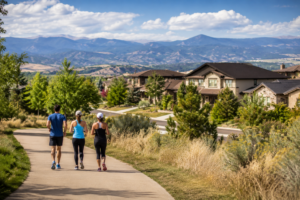
- Philip S. Miller Park in Castle Rock, with over 500 acres, the Challenge Hill staircase, miles of singletrack, and a 1,000-foot zip line, is exactly the kind of community wellness infrastructure that drives home values upward
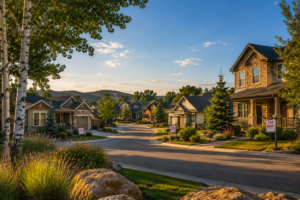
- Castle Pines Village, where custom estates sit among massive ponderosa pines on hillside lots adjacent to the Castle Pines Golf Club, delivers clean air, pine-filtered light, and silence that is measurably different from urban Denver
- The Canyons in Castle Pines, one of the newest master-planned communities, features a canyon trail system and resort-style amenities that check nearly every box on the GWI’s wellness framework
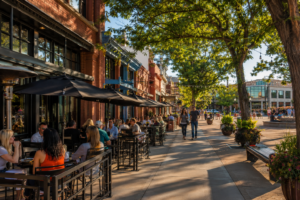
- The Meadows and Terrain in Castle Rock offer wide sidewalks, pocket parks, and trail connectivity that make daily movement part of daily life rather than an add-on
So when buyers today ask me what separates South Metro Denver from other markets along the Front Range, I point to exactly this. You already have the wellness infrastructure. The market is just now putting a premium price tag on it.
How the $1.8 Trillion Wellness Trend Impacts Douglas County Home Values
You want the bottom line on value. Here it is: wellness-focused residences command a 10 to 25% price premium, according to Global Wellness Institute data. That premium is already showing up locally.
Look at Castle Pines. Over the three months ending May 2026, Castle Pines home prices were up 12.8% compared to the same period last year, selling for a median price of $999K. In Castle Pines Village specifically, the median settled at $1.6M for the same period. Compare that to the broader Denver metro market conditions, where the median closed price held at $585,000.
Why the gap? Castle Pines delivers exactly what wellness-motivated buyers are seeking: gated security, golf-course settings surrounded by native ponderosa pine canopies, single-level floor plans that mitigate fall risks, and proximity to nature without sacrificing access to the Denver Tech Center (30 to 35 minutes from Castle Rock via I-25).
Castle Rock itself reflects this trend at a more accessible price point. The median sale price of a home in Castle Rock was $660K last month, up 3.3% since last year. Over the past decade, median housing prices in Castle Rock rose from $308,000 in 2010 to $693,000 by 2025. That trajectory aligns directly with the town’s investments in trails, open space, and the kind of community wellness assets that today’s buyers prioritize.
Having closed over 469 transactions in this market and maintained a 5 out of 5 star rating across 130 client reviews, I can tell you the shift is real and accelerating.
The Longevity Factor: Why “Life-Extending Homes” Are Not Just Marketing
This is where the conversation gets genuinely exciting. In 2026, the Global Wellness Institute created a new category called “longevity residences,” defined as residences supporting longer, healthier lives through preventive medicine, biohacking, and integrated clinical programming.
You might think that sounds futuristic. But consider what is already available in communities across South Metro Denver:
- Circadian lighting and smart home integration that adjust light temperature throughout the day to support sleep quality
- Advanced air and water filtration systems that address Colorado’s unique dry-air and wildfire-smoke challenges
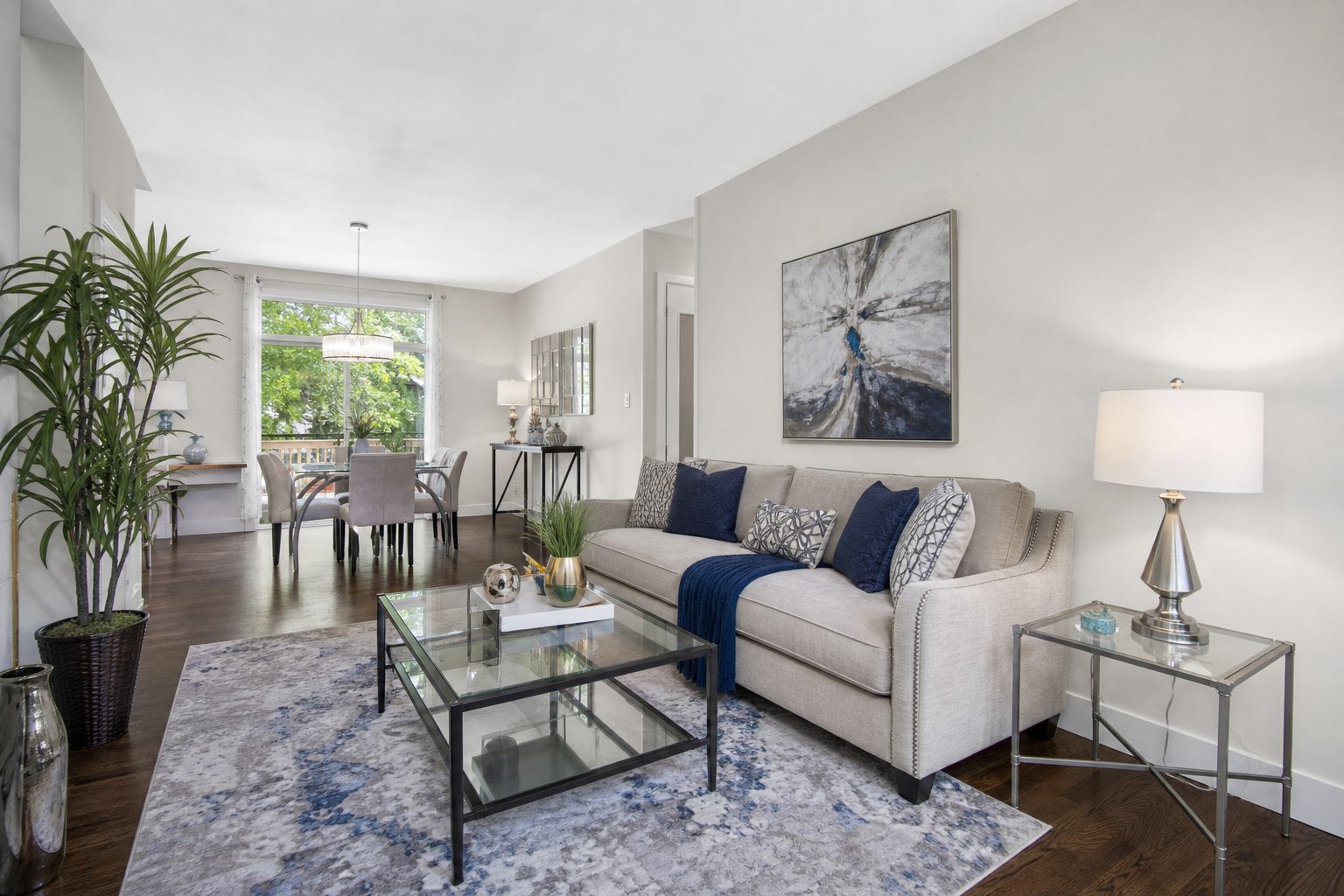
- Single-level floor plans with accessible bathrooms, slip-resistant surfaces, and abundant natural sunlight, especially common in newer Castle Rock construction and Highlands Ranch construction
- Walkability to nature, which research consistently links to lower cortisol, improved cardiovascular health, and longer lifespans
Industry data indicates that 40% of real estate agents cite aging in place as a key concern of their recent buyers. That number is only growing as Baby Boomers make housing decisions centered on the next 20 to 30 years of their lives.
What I tell my clients is this: a home’s wellness features are no longer “nice to have” upgrades. They are value drivers. When two comparable properties sit side by side in Parker or Lone Tree, and one has trail access, natural light optimization, and air filtration while the other does not, the wellness-forward home sells faster and for more.
Which Denver South Metro Neighborhoods Lead the Wellness Real Estate Trend
Not every neighborhood is created equal when it comes to wellness positioning. Here is how the key South Metro communities stack up based on the six dimensions the Global Wellness Institute uses to evaluate wellness real estate:
Castle Pines Village: The Benchmark
Castle Pines Village remains the gold standard in Douglas County. The gated, security-staffed community wraps around the Castle Pines Golf Club, with custom-built estates tucked into hillsides where no two homes look alike. The $3M-plus segment continues to trade on the most prized lots. For buyers seeking environmental wellness (clean air, native tree canopy, minimal noise pollution) combined with social and civic community infrastructure, this is the apex.
Castle Rock: Wellness at Scale
Castle Rock has built more community wellness infrastructure per capita than almost any town along the Front Range. Philip S. Miller Park alone, with its 500-plus acres off Plum Creek Parkway, makes Castle Rock a wellness destination. Ridgeline Open Space delivers panoramic ridge trails with views of the iconic rock formation.
Highlands Ranch, Parker, and Lone Tree
These communities bring trail networks, recreation centers, and master-planned green corridors that provide daily access to movement and nature. Buyers relocating from denser metro areas are often surprised at how much open space is woven into the fabric of daily life here.
Franktown, Elizabeth, and Larkspur
For buyers seeking maximum environmental wellness, including acreage, privacy, native landscapes, and dark-sky visibility, these communities east and south of Castle Rock offer a different expression of the same wellness trend. They appeal strongly to buyers who want land, horses, and quiet over amenity centers.
How to Evaluate a Home’s Wellness Value Before You Buy in 2026
If wellness is driving your next purchase, you need a framework. Here is what I recommend to my clients after 30 years of selling homes in this market:
- Walk the floor plan with aging in place as a consideration. Even if you are 35. Single-level living, wide doorways, zero-step entries, and accessible bathrooms are features you will value more every decade you own the home.
- Test the light. Visit the property at different times of day. South-facing rooms with ample natural sunlight directly impact mood, vitamin D synthesis, and circadian rhythm.
- Evaluate the air. Ask about HVAC filtration, especially in Colorado where wildfire smoke has become an annual reality. Properties with MERV-13 or higher filtration, or dedicated air purification systems, carry genuine health benefits.
- Map the trails. Can you walk or bike to a trail from your front door? In Castle Rock, neighborhoods like The Meadows and Terrain connect directly to trail systems. That connectivity adds both lifestyle value and resale premium.
- Assess the community. The social dimension of wellness is often overlooked. Communities with gathering spaces, farmers markets like Old Town Castle Rock on Wilcox Street, and neighborhood programming create the social bonds that research links to longer, healthier lives.
Frequently Asked Questions
What is wellness real estate?
The Global Wellness Institute defines wellness real estate as built environments proactively designed, built, and operated to support the holistic health of occupants, visitors, and the community. It encompasses six dimensions: physical, mental and spiritual, social, civic and community, environmental, and economic and financial. In South Metro Denver, this translates to trail access, air quality, natural light, and community infrastructure.
How large is the wellness real estate market in 2026?
The wellness real estate market reached $876 billion globally in 2025, up from $151 billion in 2017. It is projected to hit $1.8 trillion by 2030. From 2024 to 2025 alone, wellness real estate grew 23% while overall global construction grew only 3%. The United States leads with a $254 billion national market.
Do wellness features actually increase home values in Castle Rock?
Yes. Wellness-focused residences command a 10 to 25% price premium according to Global Wellness Institute data. In Castle Rock, homes with trail connectivity, natural light optimization, and proximity to assets like Philip S. Miller Park consistently perform above market averages. The median sale price in Castle Rock is $660K, up 3.3% year over year.
What wellness features matter most to buyers in Douglas County?
Buyers in Douglas County prioritize trail access, clean air, natural sunlight, single-level floor plans, and community gathering spaces. For 60% of homeowners nationally, wellness is now the number one reason to buy, ahead of saving money or energy efficiency. Castle Pines Village and Castle Rock both deliver these features at different price points.
What are longevity residences?
Longevity residences are a new category named by the Global Wellness Institute in 2026. They are residences designed to support longer, healthier lives through preventive medicine, biohacking, and integrated clinical programming. While the most advanced examples target ultra-luxury buyers, many elements like circadian lighting, air filtration, and aging-in-place design are available in South Metro Denver homes.
Why is Castle Pines Village considered a wellness real estate leader?
Castle Pines Village combines gated security, ponderosa pine canopy, golf-course adjacency, custom estate architecture, and minimal noise pollution. Home prices reflect this positioning, with a median of $1.6M for the three months ending May 2026. The environmental wellness profile, including clean air, native vegetation, and darkness at night, sets it apart from denser metro communities.
How does wellness real estate compare to energy-efficient housing as a buyer priority?
According to industry data, wellness has surpassed both energy efficiency and cost savings as the top motivation for home purchases. Sixty percent of homeowners now cite wellness as their primary reason to buy. While energy efficiency remains important, buyers increasingly view health-supporting design as the higher priority.
Is wellness real estate only for luxury buyers?
No. Though the cutting-edge wellness features (cold plunge rooms, integrated telehealth, red-light therapy) are still largely reserved for luxury properties, buyers across all price ranges are seeking wellness elements. In Castle Rock, entry-level condos starting around $338,500 in communities with trail connectivity and park access already deliver core wellness benefits.
What should I look for in a wellness-oriented home in Denver’s South Metro?
Focus on natural light exposure (south-facing windows), HVAC filtration quality, proximity to trails and open space, floor plan accessibility, and community social infrastructure. Walk the neighborhood before you commit. In areas like Castle Rock, The Meadows, and Terrain, wellness infrastructure is already built into the community design.
How quickly is the wellness real estate sector growing compared to other wellness markets?
Wellness real estate’s 23.6% average annual growth from 2019 to 2025 is roughly double the growth of the next fastest-growing wellness sector, mental wellness, which grew at 12.4%. No other segment of the $7 trillion global wellness industry is expanding at this pace.
The Bottom Line
Wellness real estate is not a trend. It is a fundamental shift in what buyers value, and building health through wellness-certified developments is giving properties competitive advantage across Denver’s South Metro. Whether you are looking at a ponderosa-shaded estate in Castle Pines Village, a trail-connected family home in Castle Rock’s Meadows neighborhood, or acreage in Franktown with clean air and dark skies, you are already in one of Colorado’s strongest wellness real estate corridors.
With 30 years of experience as a Douglas County real estate agent, 469 closed transactions, and 130 five-star reviews from past clients, I am here to help you navigate this market with the local expertise it demands. If you are ready to explore communities across Castle Rock, Castle Pines, Highlands Ranch, Parker, Lone Tree, or anywhere in South Metro Denver, reach out to me, David Richins, at 303-882-7706 or visit my community guides at DavidRichins.com. The wellness real estate wave is here, and the neighborhoods that define it are right in our backyard.