How should you price a South Metro Denver home when you’ve invested $300,000 or more in specialized upgrades like home theaters, wine cellars, or equestrian facilities?
You should price based on comparable base-home values plus a realistic upgrade premium of 15 to 50 percent of your investment, not dollar-for-dollar, because niche improvements dramatically narrow your buyer pool.
Why This Matters Right Now in Douglas County
If you own a heavily customized home in Castle Rock, Castle Pines, Parker, or Highlands Ranch, the 2026 market is sending you some very pointed signals. According to DMAR data from August 2026, the median closed price across metro Denver was $594,495, essentially flat year over year. Meanwhile, 47.95 percent of homes listed in Castle Rock dropped in price, up 13.3 percentage points from the prior year, per Resideline data as of September 2026.
What does that mean for you? Standard homes are already getting repriced. When you layer $300,000 or more in upgrades on top of a base value, the stakes multiply. With 30 years helping buyers and sellers navigate exactly this kind of complexity, I can tell you that the single biggest mistake upgraded-home sellers make is treating their renovation receipts as a price tag. They are not. But that does not mean your investment is wasted. It means your pricing strategy needs to be surgical.
Understanding Why Your $300K Investment Does Not Add $300K in Value
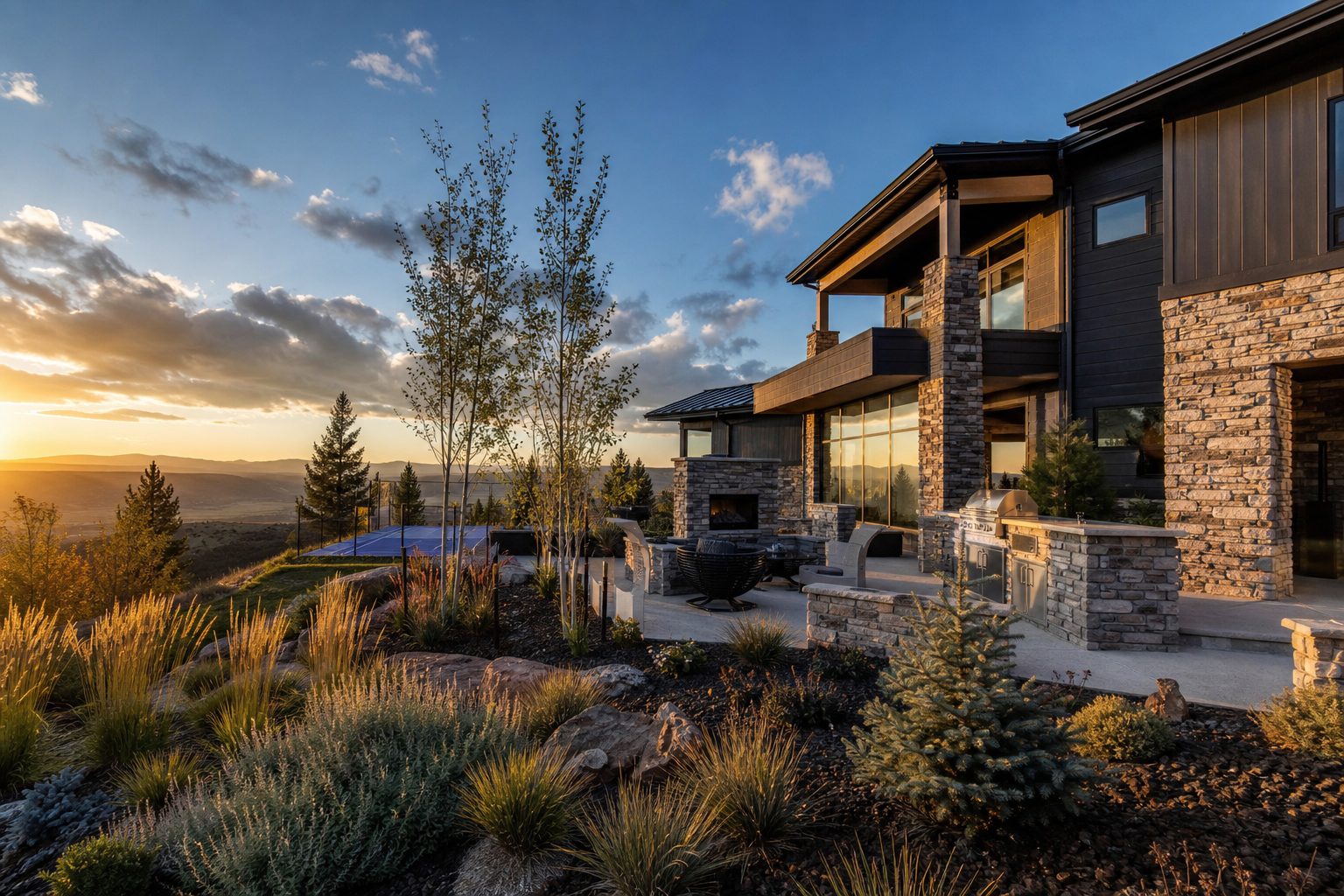
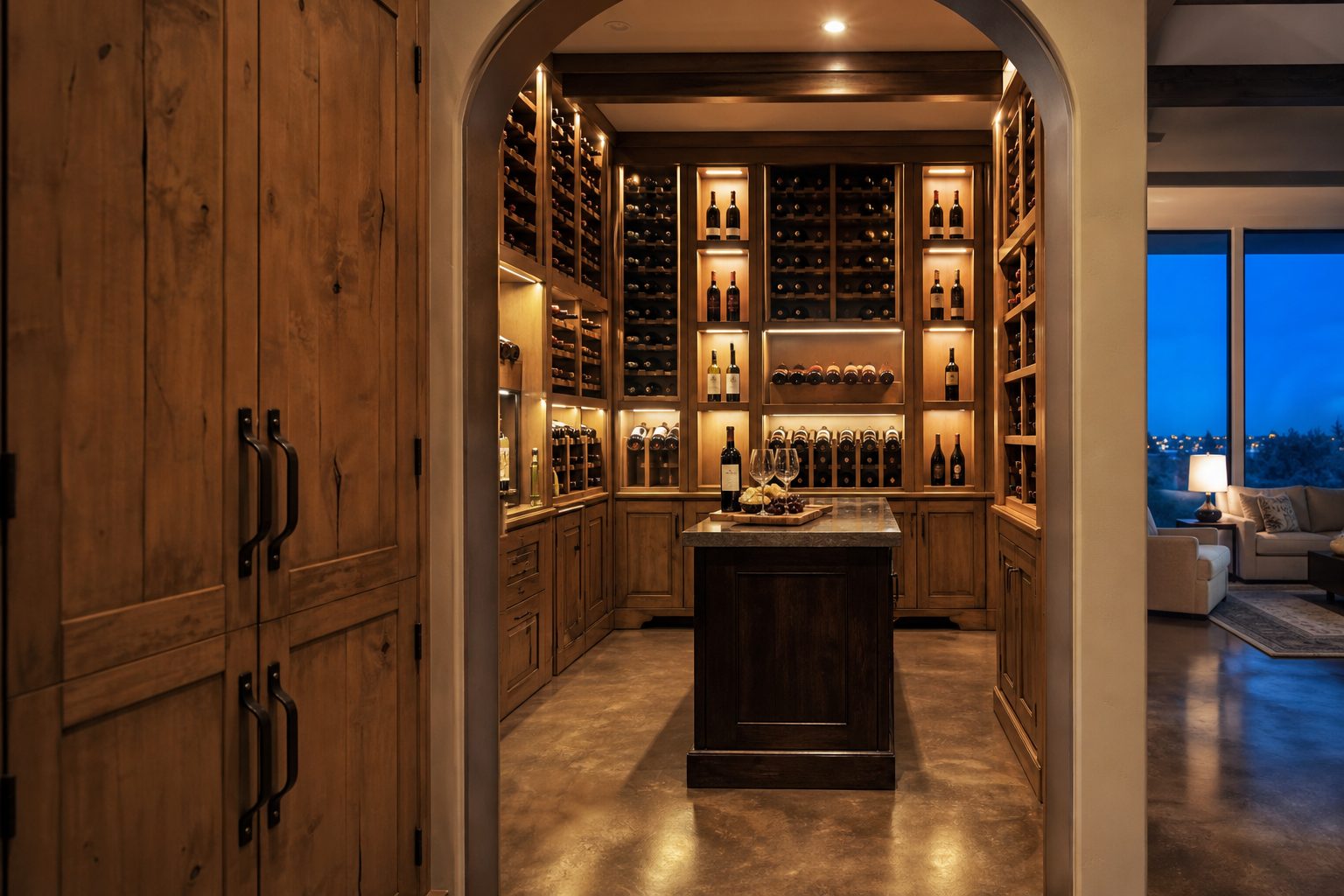
This is the hardest conversation in real estate, and it is one I have had hundreds of times over 469 closed transactions. You spent six figures building out a custom wine cellar with climate control. You poured another $100,000 into an outdoor living space with a built-in kitchen, fire features, and a sport court. The work is stunning. The problem? Not every buyer wants it, and the ones who do know they have leverage.
The Buyer Pool Math
The median listing price in Douglas County was $775,000 as of April 2026, per FRED data. When you push a home past the $1 million mark by adding niche upgrades to a $700,000 base, you eliminate a significant share of qualified buyers. As one local housing analyst noted in the Denver Gazette, “When you have pricing that’s 10%, 20% or 30% higher than the rest of the metro area, on average, that really shapes who can afford to buy.”
So you are not just competing on features. You are competing against affordability itself, with the 30-year fixed rate averaging 6.76 percent as of September 2026 according to Freddie Mac.
Typical Recovery Ranges by Upgrade Category
Here is how niche upgrades generally translate at resale, based on NAR Remodeling Impact Reports and Appraisal Institute guidelines:
- Kitchen remodel (major, $75K to $150K): 50 to 75 percent recovery. This is your strongest category because nearly every buyer values a great kitchen.
- Elaborate outdoor living ($50K to $200K): 40 to 60 percent recovery. Colorado’s outdoor culture helps here, but maintenance concerns can dampen enthusiasm.
- Home theater ($50K to $200K): 20 to 40 percent recovery. Technology depreciates fast, and personal taste varies wildly.
- Wine cellar ($30K to $100K+): 15 to 35 percent recovery. Beautiful to the right buyer, irrelevant to most.
- Sport court ($25K to $100K): 25 to 50 percent recovery. Better ROI in family-heavy neighborhoods like The Meadows or Founders Village in Castle Rock.
- Equestrian facility ($100K to $500K+): 10 to 30 percent recovery. Requires acreage and an extremely specific buyer. Properties in Franktown, Elizabeth, and Larkspur are the primary candidates.
If you invested $300,000 across a combination of theater, wine cellar, and outdoor living, you might realistically expect to recover $90,000 to $150,000 at resale. That is a 30 to 50 percent return, not 100 percent.
The Three-Step Pricing Framework for Castle Rock and South Metro Denver
Step 1: Establish Your Base Comparable Value
Before you factor in a single upgrade dollar, you need to know what your home would sell for with standard finishes. In Castle Rock‘s 80109 ZIP code, the median sold price was $650,000 with 315 closed sales tracked over the six months ending September 2026, according to Resideline. Homes had a median sale-to-list ratio of 97.85 percent, down half a point from the year before. That means even “normal” homes are closing below their asking price.
Step 2: Apply Tiered Upgrade Premiums
Not all upgrades are equal. Sort yours into three tiers:
- Universal upgrades (kitchen, bathrooms, energy efficiency): Price at 50 to 75 percent of your investment
- Lifestyle upgrades (outdoor living, sport courts, pools): Price at 30 to 50 percent
- Niche or personal upgrades (wine cellar, theater, equestrian, custom workshop): Price at 15 to 35 percent
Step 3: Respect the Neighborhood Price Ceiling
Every neighborhood has an invisible ceiling. Douglas County values range dramatically, from the low $600s in some Castle Rock subdivisions to north of $900,000 in Larkspur, per county assessor data. If The Meadows has a typical home value around $639,243 (down 2.4 percent year over year per recent data) and your heavily upgraded home sits in that community, pricing it at $950,000 puts you in a completely different competitive set than your neighbors. You are not selling against The Meadows anymore. You are selling against Castle Pines, where the median sale price hovers in the mid-$800s to $1 million-plus range.
How the 2026 Concession Landscape Affects Your Strategy
Here is something that catches upgraded-home sellers off guard. According to a Q2 2026 report from Chicago Title of Colorado covering 12,029 closings, 62.9 percent of all closings included a seller concession with a median value of $10,000. That added up to more than $81.4 million handed back to buyers in a single quarter.
If you are already pricing below your upgrade investment, then budgeting another $10,000 or more in concessions, your net proceeds shrink further. What I tell my clients is to build concession expectations into your pricing model from day one rather than being surprised at the negotiation table. With 130 five-star reviews from past clients, the consistent feedback I hear is that this upfront honesty about numbers, even when the numbers are uncomfortable, is what builds trust and produces better outcomes.
Targeting the Right Buyer for Your Upgraded South Metro Denver Home
Your pricing strategy is only half the equation. The other half is marketing to the buyers who will actually pay a premium for what you have built.
The Relocation Buyer Advantage
South Metro Denver continues to attract affluent movers from California, New York, and Texas who are drawn to the Colorado lifestyle. A relocation buyer from the Bay Area may see your $1 million Castle Pines home with a custom outdoor kitchen as a genuine bargain compared to what they left behind. A move-up buyer from a $650,000 Highlands Ranch home may see those same features as an unnecessary expense.
Your marketing needs to reach both audiences, but your pricing should acknowledge which group is more likely to pay the premium. Relocation buyers often care deeply about Douglas County’s top-ranked school district, I-25 corridor commute access, and mountain-view lots. They are less rate-sensitive and more lifestyle-motivated.
Time on Market Is Your Enemy
Data from the Castle Rock area shows a stark reality: some homes sold around $495,000 after 201 days on market, while others reached $670,000 after just 39 days. That gap comes down to condition, presentation, and pricing discipline. The longer your upgraded home sits, the more buyers assume something is wrong with it, and the more leverage they gain in negotiations. With months of supply in Castle Rock at 5.6 (up from 3.22 the prior year, per Resideline data as of September 2026), urgency in your pricing is not optional.

Frequently Asked Questions
Do home theaters add value to Castle Rock homes?
Home theaters typically recover 20 to 40 percent of their installation cost at resale, based on NAR data. Technology depreciates quickly, and buyer preferences vary. Your best approach is to price the theater contribution conservatively and market it as a lifestyle feature rather than a dollar-for-dollar value add.
Why is the sale-to-list ratio important for upgraded homes in Douglas County?
The Castle Rock median sale-to-list ratio was 97.85 percent as of September 2026, per Resideline. This means typical homes sell below asking price. If your upgraded home is already priced above neighborhood comps, expect even more downward pressure during negotiations. Price with that gap already factored in.
Should I remove niche upgrades before selling my South Metro Denver home?
Generally no. Removing a wine cellar or theater creates unfinished space that looks worse than the upgrade itself. Instead, price the home realistically and let the upgrades serve as differentiators that attract a specific buyer willing to pay a modest premium over base comparable value.
How do seller concessions in 2026 affect my pricing strategy?
According to Chicago Title of Colorado’s Q2 2026 data, 62.9 percent of Denver metro closings included seller concessions with a median of $10,000. Budget for this from the start. If your home is listed at $900,000, plan to net closer to $880,000 or less after concessions and standard closing costs.
What is the price ceiling effect in Castle Rock neighborhoods?
Every neighborhood has an implicit maximum value buyers will pay. If most homes in your subdivision sell between $600,000 and $700,000, listing at $950,000 because of upgrades places you in a different competitive bracket entirely. Buyers searching in that range will compare you to naturally higher-end communities like Castle Pines.
Are equestrian facilities worth the investment in Franktown or Elizabeth?
Equestrian facilities typically recover only 10 to 30 percent of their cost. The buyer pool is extremely narrow, requiring someone who wants both acreage and horse infrastructure. Properties in Franktown, Elizabeth, and Larkspur have the land for it, but expect a longer marketing period and aggressive buyer negotiations.
How long do heavily upgraded homes take to sell in South Metro Denver?
Months of supply in Castle Rock reached 5.6 as of September 2026, up from 3.22 a year earlier, per Resideline. Upgraded homes at premium price points typically take longer because the qualified buyer pool is smaller. Accurate pricing from the start minimizes extended market time.
Do relocation buyers pay more for upgraded homes in Douglas County?
Relocation buyers from high-cost coastal markets sometimes perceive South Metro Denver prices as relatively affordable, even at the $1 million-plus level. Marketing to this audience through relocation networks and lifestyle positioning can yield stronger offers than relying solely on the local buyer pool.
What mortgage rate impact should I consider when pricing my upgraded home?
With the 30-year fixed averaging 6.76 percent as of September 2026 per Freddie Mac, higher-priced homes carry significantly larger monthly payments. At the Douglas County median listing price of $775,000, monthly principal and interest alone can exceed $3,100 with 20 percent down. Your $300,000 in upgrades pushes that payment substantially higher.
How do I find the right agent for a heavily upgraded home in Castle Rock?
You need an agent who understands both the upgrade valuation challenge and the South Metro Denver luxury market. Having closed 469 transactions over 30 years, with deep specialization in luxury homes and move-up buyers across Castle Rock, Castle Pines, Parker, and the broader Douglas County market, I bring the pricing precision this type of sale demands.
The Bottom Line
Your $300,000 in niche upgrades represent real craftsmanship and real enjoyment. But the South Metro Denver market in 2026 will not hand you a dollar-for-dollar return. The smart move is to price from the base comparable value up, apply realistic upgrade premiums by category, respect your neighborhood’s price ceiling, and market aggressively to relocation buyers and lifestyle-motivated purchasers who will value what you have built.
If you are considering selling a heavily customized home in Castle Rock, Castle Pines, Parker, Highlands Ranch, or anywhere in Douglas County, this is the kind of pricing conversation that makes or breaks your outcome. I am David Richins with 30 years of South Metro Denver experience and 130 five-star client reviews. Call me at 303-882-7706 or visit DavidRichins.com, and let’s build a pricing strategy that respects both your investment and the reality of today’s market.