
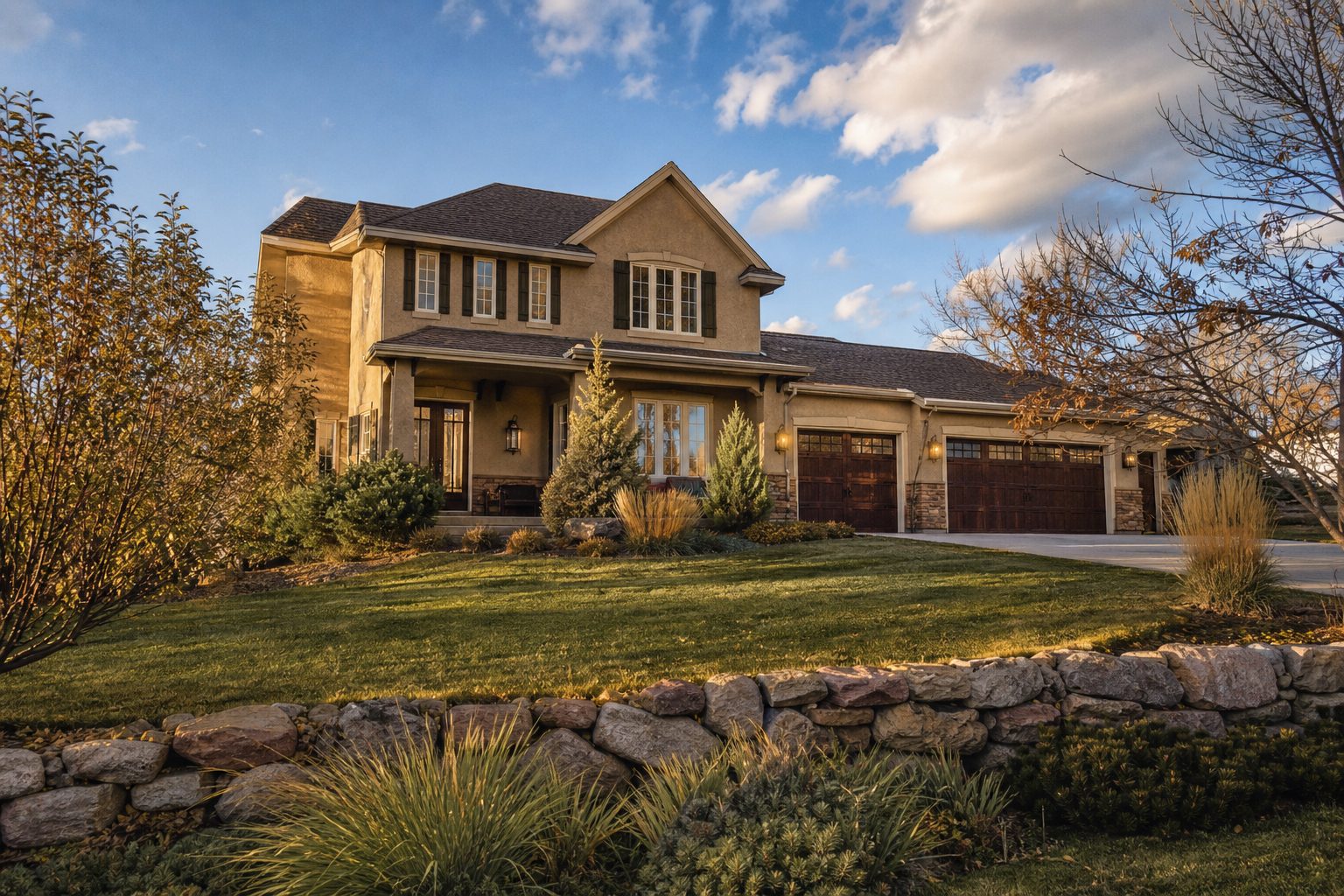
How do I move up to a new home without giving up my low mortgage rate?
You keep it. By converting your current home into a rental, tapping a HELOC, or using cross-collateralization, you can purchase your next home without ever surrendering that 3% to 4% rate you locked in during 2020 to 2022.
Why This Matters Right Now in the Denver South Metro
Here is the reality I see every week across Douglas County: you bought your Highlands Ranch home four or five years ago, locked in a rate somewhere around 3.25%, and your monthly payment is almost embarrassingly comfortable. But your family has grown. You need more space, maybe some acreage, maybe a custom build in Lone Tree. The problem? Today’s rates are hovering between 6.4% and 6.9%. On a $715,000 Douglas County home, that rate difference could add over $1,200 a month to your housing costs, even if the purchase price is similar.
So you sit. And wait. And hope rates come down.
With 30 years helping buyers and sellers across Castle Rock, Highlands Ranch, Franktown, and the broader South Metro, I can tell you that waiting is a strategy, but it is rarely the best one. The homeowners who are successfully moving up right now are using creative financing structures that let them keep that low rate working for them. Let me walk you through exactly how.
Strategy 1: Convert Your Highlands Ranch Home Into a Rental
This is the single most common play I am helping clients execute right now, particularly for families moving from Highlands Ranch out to Franktown or the acreage properties along the Highway 86 corridor toward Elizabeth.
Here is how it works. Instead of selling your Highlands Ranch home (and losing that 3.1% rate), you keep it and turn it into a rental property. Highlands Ranch single-family homes in the Westridge and Southridge neighborhoods are renting well at $2,400 to $2,800 per month. When your mortgage payment is sitting at $1,800 or less because of your low rate, that rental income is not just covering your costs; it is generating positive cash flow.
One family I worked with last year had a four-bedroom in Westridge near Cougar Run Elementary. They had been eyeing a five-acre property outside Franktown for two years but could not stomach selling into a market where 54% of Highlands Ranch listings were dropping their price. We structured a plan where they kept the Highlands Ranch home as a rental at $2,650 per month, used a HELOC to fund the down payment on the Franktown property, and now they have two appreciating assets instead of one. Their old rate? Still intact at 3.5%.
What I tell my clients is this: your low mortgage rate is not just a payment advantage. It is a wealth-building tool. Do not give it away if you do not have to.
Key Requirements to Make This Work
- Lender qualification: You will need to qualify for the new mortgage while carrying the existing one. Most lenders will count 75% of your projected rental income toward your qualifying ratios.
- Reserves: Expect to show six months of reserves for both properties.
- Landlord readiness: Budget for property management (typically 8% to 10% of monthly rent) or be prepared to self-manage.
Strategy 2: Use a HELOC to Bridge the Gap in Lone Tree
If you are a homeowner in Lone Tree looking to move up into one of the custom home communities along Ridgegate Parkway or in the RidgeGate area, a home equity line of credit can be your bridge.
With Lone Tree median home values sitting well above $700,000, many homeowners have accumulated $200,000 to $400,000 in equity. A HELOC lets you tap into that equity for a down payment on your next home without triggering a sale (and without losing your current rate). You draw what you need, close on the new home, and then decide: sell the old house and pay off the HELOC, or keep it as a rental.
Having closed over 469 transactions across the South Metro, I have seen this strategy work particularly well for buyers who want the flexibility to move on their timeline rather than being held hostage by the sale of their current home. In a market where homes are spending a median of 19 days on the market across the Denver Metro, timing matters. You do not want to be scrambling.
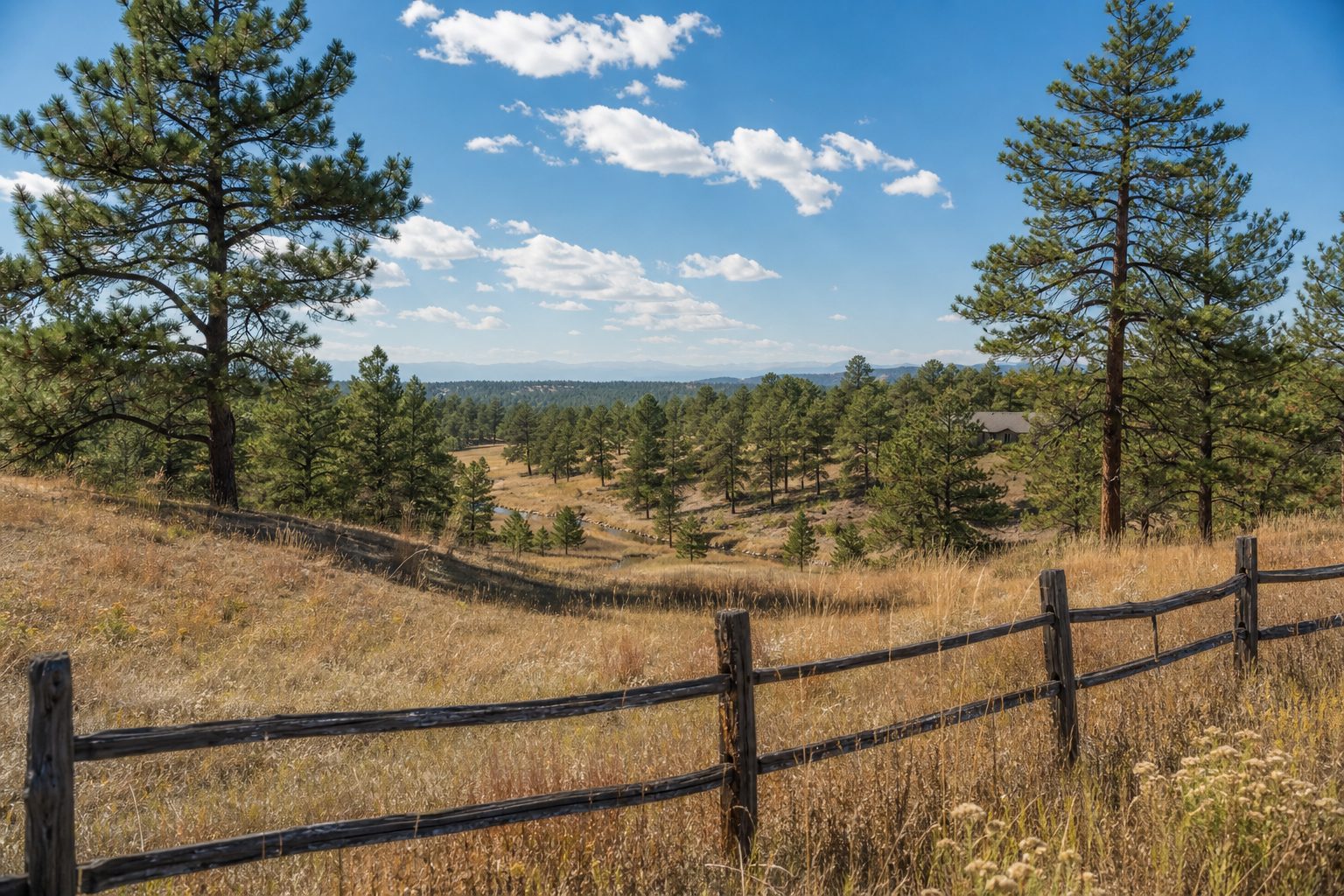
Strategy 3: Cross-Collateralization for Higher-Value Purchases
This one is less well known, but it is a powerful tool, especially for buyers stepping into luxury price points in Castle Pines (median sale price $950,000) or the BackCountry enclave in Highlands Ranch ($1M to $3M+).
Cross-collateralization means you use the equity in your current home as collateral for the new loan. Some portfolio lenders and credit unions in Colorado will structure a single loan or paired loan package where your existing property secures a portion of the new purchase. The advantage? You may qualify for better terms, lower down payment requirements, or avoid private mortgage insurance on the new property, all while keeping your existing low-rate mortgage in place.
This is not a strategy you will find on a standard rate sheet. It requires working with lenders who offer portfolio products, and it requires a real estate advisor who understands how to coordinate the transaction. In my experience, the buyers who succeed with cross-collateralization are the ones who start the conversation early, typically three to six months before they plan to purchase.
The Inherited Property Angle: When Probate Creates a Move-Up Opportunity
Here is a scenario I encounter regularly, and it connects directly to this conversation. You already own a home with a great rate. Then you inherit a property from a parent or family member in Douglas County. Now you have a decision: sell the inherited home and pocket the proceeds, or use it strategically as part of a move-up plan.
Because inherited properties receive a stepped-up cost basis to fair market value at the date of death, your capital gains exposure on a sale is often minimal. That means you can sell the inherited home, use the proceeds as a substantial down payment on your dream property (reducing the loan amount and making that 6.5% rate far more tolerable), and still keep your original home with the low rate as a rental.
One client in Centennial inherited a four-bedroom in Parker after losing his father. Rather than simply listing and cashing out, we mapped a plan: sell the Parker property (it closed in 31 days at 99% of asking), roll the equity into a custom home lot in Franktown, and keep his Centennial home rented at $2,500 per month. He went from one property with a low rate to two properties and a construction project, all without losing a cent on his original mortgage.
If you are navigating probate in Douglas County, Arapahoe County, or Elbert County, the legal steps matter. You will need Letters Testamentary or Letters of Administration before any sale can proceed, and working with a probate attorney alongside your real estate agent ensures nothing falls through the cracks.

How to Decide Which Strategy Is Right for Your Highlands Ranch, Franktown, or Lone Tree Situation
Not every strategy fits every homeowner. Here is how I help clients think through the decision:
- If you have strong rental demand in your neighborhood (Highlands Ranch Westridge, Southridge, or anywhere near Rock Canyon High School), converting to a rental is often the strongest play.
- If you need liquidity fast but do not want to sell, a HELOC gives you access to cash within 30 to 45 days.
- If you are purchasing above $900,000 and want to preserve capital, cross-collateralization may unlock terms you cannot get otherwise.
- If you have inherited a property, selling it and redeploying the equity often creates the least friction while protecting your existing rate.
What I always tell my clients: the math has to make sense, but so does your real estate timing strategy. With 130 five-star reviews from clients across the South Metro, the feedback I hear most often is that people appreciate having someone lay out all the options with real numbers rather than just one path.
Frequently Asked Questions
Can I really keep my current mortgage if I buy a second home?
Yes. There is no requirement to sell your existing home when you purchase another. You will need to qualify for both loans simultaneously, which typically means showing enough income, reserves, and (if converting to a rental) projected rental income. Many lenders will count 75% of expected rent toward your qualifying ratios.
What is cross-collateralization, and is it available in Colorado?
Cross-collateralization uses your existing home’s equity as collateral for a new loan. Several Colorado portfolio lenders and credit unions offer this. It is not a standard product at every bank, so you need to work with a lender and a real estate advisor who understand how to structure it properly.
How much can I rent my Highlands Ranch home for?
Single-family homes in Highlands Ranch neighborhoods like Westridge and Southridge are renting in the range of $2,400 to $2,800 per month depending on size, condition, and proximity to schools. BackCountry and Firelight properties can command significantly more.
Will I need a property manager if I convert my home to a rental?
Not necessarily, but it simplifies your life, especially if you are moving to Franktown or Elizabeth where you will be 20 to 30 minutes from the rental. Professional management typically costs 8% to 10% of monthly rent. Some homeowners self-manage successfully using online tenant-screening and rent-collection platforms.
What if mortgage rates drop later? Should I just wait?
Rates are projected to settle closer to 6% in 2026, but that is still nearly double what many homeowners locked in. Waiting means continued carrying costs on vacant properties, missed appreciation on the new property, and the opportunity cost of not building equity in two assets. In my 30 years in this market, timing the rate market rarely beats having a solid financial strategy.
How does a HELOC work for a move-up purchase?
You take a home equity line of credit against your current home. Draw funds for the down payment on the new property. After closing, you either repay the HELOC from rental income, savings, or an eventual sale. Interest rates on HELOCs fluctuate, so factor that carrying cost into your planning.
I inherited a property in Douglas County. Can I use it to move up?
Absolutely. Inherited properties receive a stepped-up cost basis, so your capital gains liability is typically low. Selling the inherited home and applying the proceeds to your next purchase can dramatically reduce your new loan amount, making today’s higher rates far more manageable.
Do I need to go through probate before I can sell an inherited home?
In Colorado, yes. You will need to go through formal or informal probate in the county where the decedent lived. For Douglas County, that means the District Court in Castle Rock. You will need Letters Testamentary or Letters of Administration before the title can transfer.
What are the carrying costs on an inherited property while I wait to sell?
In the South Metro, expect $2,000 to $5,000 or more per month depending on the property’s mortgage status, HOA fees (Highlands Ranch HOAs run $150 to $400), insurance, utilities, and maintenance. This is why timing the sale matters.
How does the Highlands Ranch to Franktown move-up path work in practice?
This is one of the most popular move-up corridors I work with. You keep your Highlands Ranch home as a rental (preserving your low rate and generating cash flow), then purchase an acreage property in Franktown. The key is qualifying for both loans, having reserves, and working with a lender who understands investment property guidelines alongside a primary residence purchase.
The Bottom Line
You do not have to give up your low mortgage rate to move up. Whether you are sitting in a four-bedroom in Highlands Ranch dreaming of acreage in Franktown, eyeing a custom home in Lone Tree’s RidgeGate corridor, or figuring out what to do with an inherited property in Douglas County, the strategies exist. HELOCs, rental conversions, cross-collateralization, and inherited property equity redeployment are all real tools that real families across the Denver South Metro are using right now.
The difference between staying stuck and making a move usually comes down to having someone map out the numbers with you. That is exactly what I do. With 30 years of experience, 469 closed transactions, and a 5 out of 5 star rating across 130 client reviews, I have helped hundreds of families across Castle Rock, Highlands Ranch, Franktown, Lone Tree, and the surrounding communities navigate exactly this kind of decision. Call me at 303-882-7706 or visit DavidRichins.com, and let’s build a plan that keeps your low rate working for you while getting you into the home you actually want.