
What is happening in Sterling Ranch, and why is it about to balloon again?
Sterling Ranch just unveiled Parkvale, its fourth village spanning 450 acres with capacity for 2,700 new residences, because the first three neighborhoods have essentially sold out. This community is only 20% built and accelerating fast.
Why Sterling Ranch’s Latest Expansion Matters Right Now
If you own property anywhere near Sterling Ranch, Highlands Ranch, or Littleton, you need to understand the magnitude of what is unfolding in Douglas County. This is not a modest subdivision tacking on a few extra blocks. Sterling Ranch has greenlit an entirely new village, one that will eventually house thousands of families, and the pace of absorption tells you everything about where demand stands.
Roughly 200 lots were already claimed in Parkvale by early 2026, before a single model home even opened its doors. What I tell my clients is simple: when a developer sells that many homesites on paper alone, it signals genuine hunger for this location. With 30 years in Colorado real estate and 469 closed transactions across the Denver South Metro area, I can say confidently that this level of pre-sale activity is rare for any community, let alone one still in its first two decades of existence.
So what does that mean if you are thinking about selling? Let me walk you through the full picture.
Parkvale Village Arrives in Sterling Ranch: The Numbers You Should Know
Sterling Ranch sits in unincorporated Douglas County, roughly 20 miles south of downtown Denver and just minutes from Chatfield State Park. The development stretches across nearly 4,000 acres, with about 1,500 of those permanently set aside for open space, trails, parks, and natural areas.
Here is where the story gets compelling for sellers. The community’s original two villages, Providence and Prospect, are fully built out with every single lot accounted for. The third village, Ascent, has fewer than 150 remaining homesites. That track record of complete sell-throughs pushed the developer to open Parkvale, a 450-acre expanse nestled in its own valley between Burns Regional Park to the east and the future Heritage Regional Park to the southwest.
What Parkvale Brings to the Table
- Approximately 2,700 new homesites across the village footprint
- Price points spanning from $450,000 townhomes to $1.5 million semi-custom residences
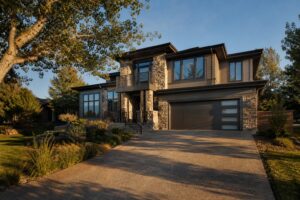
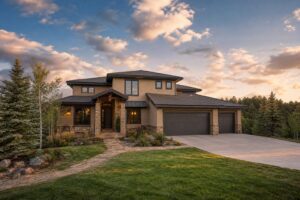
- Modern-rustic Colorado architecture with 3 to 5 bedrooms, 2.5 to 4.5 bathrooms, and optional finished basements
- Two planned Mainstreet-style retail districts designed for walkability right inside the neighborhood
- Multiple nationally recognized builders including David Weekley Homes, Richmond American, Pulte, Lennar, Sheffield Homes, and Trumark Homes
One family I recently worked with had been debating whether to list their home in Highlands Ranch. They were worried about competing with all the new construction at Sterling Ranch. What actually happened was the opposite. Buyers who could not get into Parkvale’s waitlisted lots turned to resale homes in nearby communities, and that couple received two offers within the first week.
How Sterling Ranch’s Growth Impacts Sellers in Highlands Ranch and Littleton
You might be wondering: does a community adding 2,700 new homes create competition for my existing property, or does it actually help? The answer, based on what I have seen over three decades in this market, is that it overwhelmingly helps neighboring sellers.
Here is the dynamic at play. Sterling Ranch has earned the title of Colorado’s top-selling community for five consecutive years. That kind of reputation draws a massive pool of relocating families, remote workers, and move-up buyers into Douglas County. Not every one of those buyers can find the right floorplan, lot, or delivery timeline in Sterling Ranch itself. So they fan out.
If you own a resale home in Highlands Ranch, Littleton, Castle Rock, or Parker, you benefit from the sheer volume of buyer traffic flowing into the south metro corridor. The Denver metro median home price currently sits around $585,000, and Douglas County’s 38% population jump since 2010 (from 285,465 to an estimated 393,995 in 2024) confirms that demand is structural, not speculative.
The School Factor Changes Everything
Sterling Ranch’s very first on-site school, John Adams Academy, opens on August 24, 2026. A Douglas County K through 6 elementary school is slated to follow in fall 2027, along with a new Douglas County Library directly across from it. For years, families in Sterling Ranch relied on schools outside the community. That era is ending, and it removes one of the last hesitations buyers had about committing to this location.
What does this mean for you if you are selling nearby? Buyers who might have waited for Sterling Ranch to “mature” no longer have a reason to wait. The community is arriving in real time, and that urgency spills into the broader market.
The 16,000-Home Vision: Why Sterling Ranch Is Still Only Getting Started
This is the part that catches most people off guard. Parkvale is village number four out of nine planned villages. The developer’s long-range blueprint calls for 16,000 total residences across a 20- to 30-year build-out timeline. With just over 3,000 homes completed and sold today, Sterling Ranch is approximately one-fifth of the way to full capacity. More than 10,000 residents already call it home, and the ultimate vision will accommodate upward of 30,000 people.
For context, that makes Sterling Ranch’s eventual population comparable to the current size of Castle Rock. You are watching a city materialize in real time from what was, until recently, working ranch land tied to a Civil War-era land grant from the 1860s.
A seller I worked with earlier this year in Castle Pines was initially nervous about listing because she assumed all the new construction south of C-470 would undercut her pricing. Once we looked at the data together, she realized that homes in established neighborhoods with mature landscaping, finished basements, and full fencing were actually commanding premiums over comparable new builds. Her home sold for 99% of asking price in 26 days, right in line with the Castle Rock market average.

What Sterling Ranch’s Expansion Means for Your Home’s Value in 2026
If you are a homeowner in the Denver South Metro area considering a sale, you need to understand the broader market context surrounding Sterling Ranch’s growth.
The Denver metro housing market in 2026 is balanced and selective. Homes that are priced accurately and presented well continue to perform. Here are the numbers that matter:
- Median closed price across metro Denver: $585,000
- Close-price-to-list-price ratio: 99%, unchanged year over year
- Average days on market: 39 days, up slightly from 37 days last year
- Castle Rock median home price: approximately $672,668, reflecting 2.4% year-over-year appreciation
Having been rated 5 out of 5 stars across 130 client reviews, I can tell you that the sellers who succeed in this environment are the ones who treat preparation as non-negotiable. Buyers in 2026 have regained negotiating leverage. They are requesting repairs, asking for rate buydowns, and comparing your home against turnkey new construction in places like Parkvale. If your property shows deferred maintenance or carries a bloated price tag, it will sit while the competition moves.
Positioning Your Home Against New Construction
- Highlight what builders cannot offer: Mature trees, established HOA amenities, completed landscaping, known neighbors
- Price with precision: The market rewards accuracy. Overpriced homes are spending weeks longer on the market
- Stage for lifestyle: Buyers drawn to the south metro corridor want outdoor living spaces, home offices, and energy-efficient features
Sterling Ranch Amenities That Elevate the Entire South Metro Corridor
Part of what makes Sterling Ranch a rising tide for all surrounding communities is its amenity infrastructure. The Overlook Clubhouse is a 4,900-square-foot facility with a fitness center, outdoor pool, lounge patios, and covered pavilions. The Sterling Center functions as a central hub for remote work, dining, retail, and community events. Residents enjoy a local taproom, a coffee shop, healthcare facilities, food truck gatherings, quantum fiber internet, miles of connected trails, and a state parks pass bundled with every home.
Two Mainstreet-style retail districts planned within Parkvale will expand commercial offerings further. The community’s connection to Chatfield State Park and proximity to Roxborough State Park add recreational depth that few master-planned developments in Colorado can match.
You can explore the full range of communities near Sterling Ranch, from Highlands Ranch to Castle Rock and beyond, through my neighborhood resource pages at DavidRichins.com.
Frequently Asked Questions
How many homes are planned for Sterling Ranch at full build-out?
Sterling Ranch’s long-range plan calls for 16,000 total residences across nine distinct villages. This number was revised upward from an earlier estimate of 12,000 homes, reflecting a 33% increase in planned capacity. The build-out timeline spans 20 to 30 years, meaning substantial development still lies ahead for the community.
What is Parkvale at Sterling Ranch?
Parkvale is Sterling Ranch’s fourth village, covering approximately 450 acres. It sits in a valley between Burns Regional Park and the planned Heritage Regional Park. The village will feature around 2,700 homesites, two walkable retail districts, and a linear neighborhood park called Outcrop with sweeping western views and miles of trails.
What do homes cost in Sterling Ranch’s Parkvale village?
Pricing in Parkvale ranges from townhomes starting around $450,000 to semi-custom single-family residences approaching $1.5 million. Multiple builders offer different product types, including paired homes, standard single-family floorplans, and larger custom-oriented designs with optional finished basements.
Are Sterling Ranch’s earlier neighborhoods sold out?
Yes. The first two villages, Providence and Prospect, are completely sold out with all lots accounted for. The third village, Ascent, has fewer than 150 remaining homesites. This sell-through record is the primary reason developers moved forward with Parkvale.
When does Sterling Ranch’s first school open?
John Adams Academy opens on August 24, 2026, marking a historic milestone as Sterling Ranch’s very first on-site school. A Douglas County K through 6 elementary school is scheduled to follow in fall 2027, along with a new Douglas County Library across from the elementary.
How does Sterling Ranch’s growth affect home values in Highlands Ranch and Littleton?
Sterling Ranch draws thousands of prospective buyers into Douglas County each year. Many of these buyers explore resale properties in Highlands Ranch, Littleton, Castle Rock, and Parker when their preferred lot or timeline is unavailable in Sterling Ranch itself. This spillover demand generally supports home values across the south metro corridor.
How far is Sterling Ranch from downtown Denver?
Sterling Ranch is located roughly 20 miles south of downtown Denver in unincorporated Douglas County near Chatfield State Park. Commute times average 30 to 40 minutes to downtown via C-470 and I-25, and 20 to 25 minutes to the Denver Tech Center.
Which builders are active in Sterling Ranch’s Parkvale village?
Current builders in Parkvale include David Weekley Homes, Richmond American, Pulte, Lennar, Sheffield Homes, and Trumark Homes. Each offers distinct product lines ranging from paired homes to larger single-family residences with Colorado-rustic architectural styling.
How many people currently live in Sterling Ranch?
More than 10,000 residents call Sterling Ranch home as of 2026, with over 3,000 homes sold to date. At full build-out, the community is projected to house more than 30,000 people, making it comparable in population to a mid-sized Colorado town.
Is now a good time to sell my home near Sterling Ranch?
The Denver South Metro market is balanced but favorable for well-prepared sellers. The median closed price across metro Denver is $585,000, homes are selling at 99% of list price, and properties in Douglas County continue to appreciate steadily. With Sterling Ranch drawing intense buyer interest to the area, neighboring homeowners benefit from elevated demand. Strategic pricing and strong presentation are essential.
The Bottom Line
Sterling Ranch is not slowing down. It is accelerating. Parkvale’s 450-acre launch, the arrival of on-site schools, and the long-range plan for 16,000 total homes confirm that this community is still in its early chapters. For homeowners across Sterling Ranch, Highlands Ranch, Littleton, Castle Rock, and the broader Denver South Metro, this expansion represents an opportunity to sell into a market energized by sustained buyer demand.
If you are considering a move and want to understand exactly how Sterling Ranch’s growth positions your property, I would welcome that conversation. With 30 years of experience, 469 transactions, and 130 five-star reviews from past clients, I bring deep, local knowledge to every listing strategy. Reach me at 303-882-7706 or visit DavidRichins.com to explore community guides and current listings across the south metro corridor.