
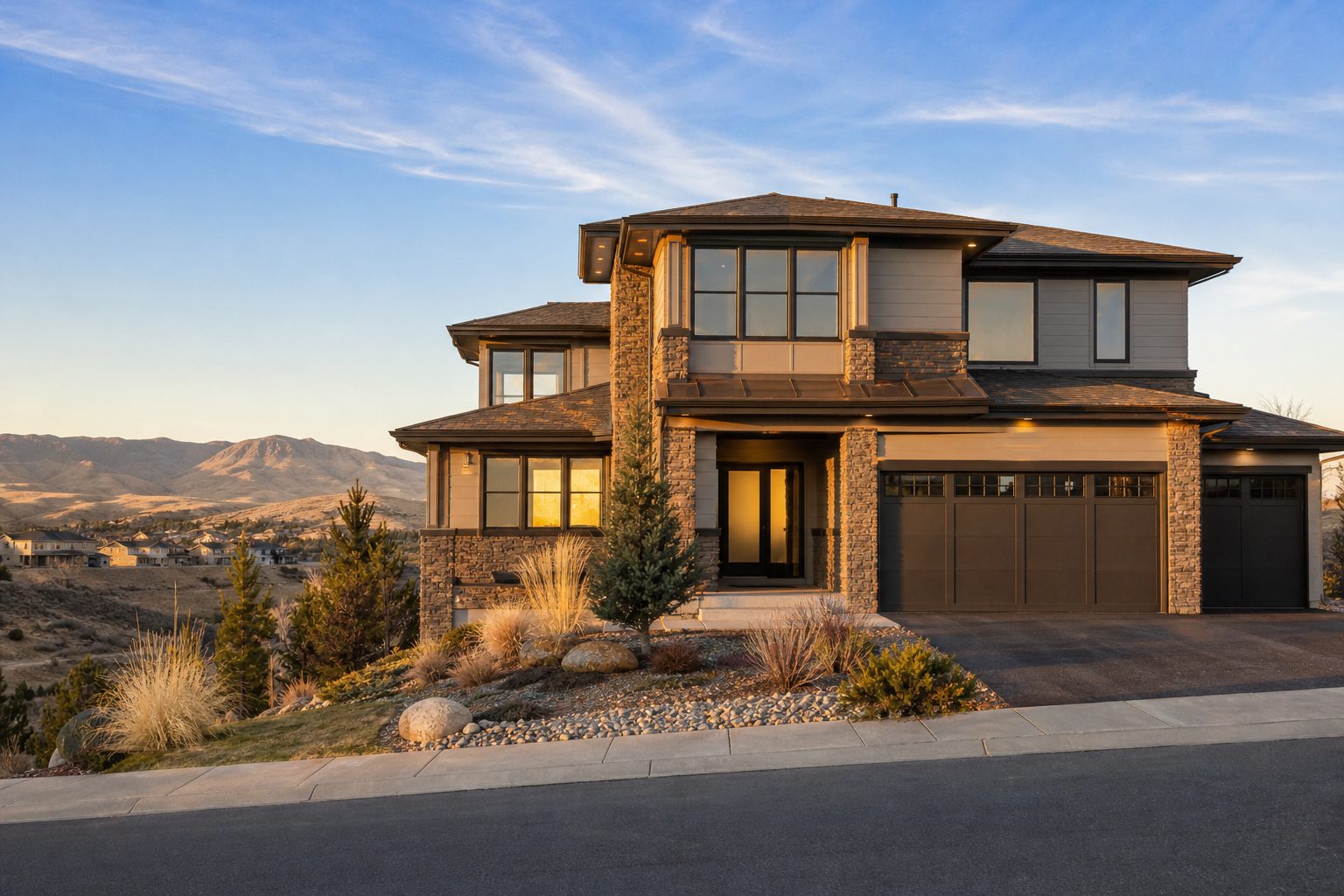
Are Castle Rock and Denver South Metro home buyers getting real price cuts this winter, and how big is the opportunity?
Yes. Nearly half of all homes sold across the Denver Metro in October 2026 had already been reduced in price before closing, and roughly 64% of those sales included seller concessions, according to Colorado Association of REALTORS data. If you are a buyer in the South Metro corridor, this winter is one of the strongest negotiating windows in recent memory.
Why This Matters Right Now in Denver South Metro
Here is the honest version: winter buying in Colorado has always come with trade-offs. Fewer listings, cold showings, and holiday distractions. But the trade-off works both ways. The sellers who list in November, December, and January are typically motivated. They need to sell, not want to sell.
The data confirm it. As of October 2026, Denver Metro closed sales dropped 20.6% year-over-year, and pending contracts fell 18.9%, per CAR’s October 2026 market report. That is a significantly thinner buyer pool. When fewer buyers are competing, sellers lose the ability to hold firm on price and terms.
What does that mean if you are shopping in Castle Rock, Parker, Highlands Ranch, or Lone Tree? It means the leverage equation has flipped. Having closed over 469 transactions across the South Metro over 30 years, I can tell you that this kind of seasonal leverage does not appear every year. The combination of elevated rates, cautious buyers, and motivated sellers has created a window that rewards anyone willing to act while others wait.
How Deep Are the Price Cuts in the Denver South Metro This Winter?
Let me be specific, because vague claims do not help you make a decision.
According to CAR’s October 2026 data, approximately 49% of Denver Metro homes that sold in October had experienced at least one price reduction before closing. That is not a statistical outlier. That is nearly one out of every two transactions.
The Denver Metro single-family median sales price landed at $575,000 in October 2026, representing a 0.7% decline year-over-year, per CAR. The all-property-type median was $571,000, down 0.8% from the same month a year earlier.
So prices are not crashing. What is happening is more nuanced and, frankly, more useful to you as a buyer:
- List prices are starting higher than where deals close. Sellers are still anchoring to spring and summer comps, but the market is telling them those comps no longer hold.
- Reductions are happening before you even see the listing. Many of those 49% price-reduced homes went through one or two cuts before an offer came in.
- The real savings often show up in concessions, not just price. That 64% concession rate means sellers are paying for rate buy-downs, covering closing costs, or offering repair credits on top of reduced prices.
What I tell my clients is simple: focus on the total cost of the deal, not just the number on the sign. A home listed at $575,000 that sells with a $15,000 price cut and $10,000 in seller-paid closing costs is effectively a $550,000 transaction for you.
Why the Condo and Townhome Segment in Denver South Metro Offers Even More
If you are open to attached housing, pay attention. This is where the numbers get especially interesting for South Metro buyers.
Denver Metro condo and townhome pending contracts collapsed 38.1% year-over-year in October 2026, and the attached-home median price fell 5.1% to $415,000, per CAR. That decline is seven times steeper than the single-family segment.
Why? Elevated HOA costs and mortgage rates have pushed many buyers toward single-family homes, leaving condo and townhome sellers with far fewer interested parties. For a first-time buyer or someone looking to downsize in Castle Rock or Highlands Ranch, that seller urgency translates directly into negotiating power.
With 130 five-star reviews from past clients, one pattern I have seen repeatedly this fall is attached-home sellers who listed in September, sat through October without an offer, and are now willing to have a very different conversation about price in November and December. If you are willing to bring a solid offer, you are often the only serious buyer in the room.
How to Use Seller Concessions to Offset Castle Rock Mortgage Rates
Let’s talk about the elephant in the room. The 30-year fixed-rate mortgage averaged 7.28% nationally as of November 19, 2026, according to Freddie Mac’s Primary Mortgage Market Survey. That is up from 6.26% a year ago. It is real, and it affects your monthly payment.
But here is what most buyers in the South Metro are not factoring in: those concessions are a tool you can direct toward rate relief.
Because roughly 64% of Denver Metro sellers in October 2026 were already offering concessions, per CAR, you can negotiate for a seller-paid temporary or permanent rate buy-down. A 1-point buy-down on a typical South Metro purchase can reduce your effective rate meaningfully and lower your monthly payment by hundreds of dollars. Your lender can run the exact numbers for your situation, but the key point is this: the seller is often willing to pay for it.
What I tell my clients is to get the buy-down quote from their lender before writing the offer. When you can show a seller exactly how their concession makes the deal work, the negotiation becomes collaborative instead of adversarial. That approach has consistently produced better outcomes for my buyers in Douglas County.
Timing Your Castle Rock Winter Purchase Without Rushing
One concern I hear from families shopping in Castle Rock and Parker is the timing pressure. You have kids in school. You do not want to move mid-semester. Does buying in winter mean a chaotic January move?
Not necessarily. Winter contracts often come with more flexible closing timelines. When a seller has limited buyer interest, they are far more likely to agree to a 45 or 60-day close, or even a rent-back arrangement that lets them stay while you finalize your move.
This is an underappreciated advantage. In the spring market, sellers often demand 30-day closes and refuse contingencies. In winter, the dynamic inverts. You can negotiate a closing date that aligns with spring break, the end of the school year, or whenever works for your family.
As a recognized Top Realtor in Colorado with 30 years of experience across the South Metro, I structure winter offers with these timeline considerations built in from the start. The goal is to lock in winter pricing without winter chaos.
What to Watch for Before Making Your Denver South Metro Winter Offer
Not every winter listing is a deal. Here is how to separate opportunity from overpriced inventory sitting for a reason:
- Check the listing history. How many price reductions has it already had? A home that has been reduced twice and sat 90 days signals a seller ready to negotiate. A home listed last week at full price may not be there yet.
- Look at the original list-to-sale-price ratio. In the current market, the gap between original list price and final sale price is widening. That gap is your negotiating room.
- Inspect aggressively. Winter inspections can reveal issues that summer showings hide, including ice dam vulnerability, heating system performance, and insulation quality. Use inspection findings as another concession lever.
- Get pre-approved before you start. In a thinner buyer pool, a pre-approved buyer with a clean offer stands out. Sellers and their agents take you seriously immediately.
Frequently Asked Questions
Are winter price cuts in Castle Rock real or just a myth?
They are real and measurable. Per CAR’s October 2026 Denver Metro data, approximately 49% of sold homes had undergone at least one price reduction before closing. The trend typically deepens through November, December, and January as seller motivation increases and buyer competition decreases further. You are not imagining the opportunity.
How much can I save buying a home in Denver South Metro this winter?
Your savings depend on the property, but the data points to two sources of leverage. The Denver Metro median price declined 0.8% year-over-year as of October 2026, per CAR, and roughly 64% of sales included seller concessions. Combined, price reductions and concessions can meaningfully reduce your total out-of-pocket cost.
Is it safe to buy in Castle Rock when mortgage rates are at 7.28%?
The rate is a factor, not a disqualifier. The 30-year fixed averaged 7.28% as of November 19, 2026, per Freddie Mac. What matters is your total monthly payment relative to your income and the possibility of refinancing later. Meanwhile, the reduced competition this rate environment creates is giving you better purchase terms today.
What are seller concessions and how do they help me as a buyer?
Seller concessions are credits the seller provides at closing. They can cover your closing costs, fund a mortgage rate buy-down, or pay for repairs. With approximately 64% of Denver Metro October 2026 sales including concessions (per CAR), asking for them is standard practice, not an aggressive move.
Should I wait until spring 2027 to buy in Douglas County?
Waiting risks two things. First, more buyers re-enter the market in spring, reducing your leverage. Second, if rates stabilize or drop, pent-up demand could push prices higher. The current winter window offers fewer competitors and more flexible sellers. Waiting is a gamble, not a guarantee.
Are condos and townhomes in Denver South Metro a better winter deal than single-family homes?
The data suggests yes. Denver Metro attached-home pending contracts dropped 38.1% year-over-year in October 2026, and the median price fell 5.1% to $415,000, per CAR. That is a steeper decline than the single-family segment, indicating stronger buyer leverage in the attached market.
How do I negotiate a rate buy-down from a Castle Rock seller?
Get a buy-down quote from your lender before writing your offer. Then include the buy-down cost as a seller concession in your purchase contract. Because concessions are already common in this market, most sellers and their agents expect this request and factor it into their evaluation.
Will there be enough homes to choose from in Castle Rock this winter?
Inventory is tighter in winter, but active listings in the Denver Metro actually declined only 10.7% year-over-year in October 2026, per CAR. You may see fewer new listings, but existing inventory has been sitting longer, which works in your favor as a buyer.
Can I negotiate a delayed closing if I buy a Denver South Metro home in winter?
Yes, and this is one of winter’s underappreciated advantages. Sellers with fewer offers are significantly more flexible on timing. A 45 to 60-day close, or a rent-back arrangement, is far more common in winter than during the competitive spring market.
How do I know if a Castle Rock home is priced fairly in a shifting market?
Work with an agent who tracks local comps weekly, not monthly. In a market where the median is shifting and nearly half of listings are being reduced, comparable sales from even 60 days ago may overstate current value. Accurate pricing analysis requires current, hyper-local data.
The Bottom Line
The Denver South Metro winter market in 2026 is not about waiting for a crash. It is about recognizing that the data, from the 49% price-reduction rate to the 64% concession rate reported by CAR for October 2026, shows a window where prepared buyers get better terms, more flexibility, and less competition.
If you are considering a move in Castle Rock, Parker, Highlands Ranch, or anywhere in Douglas County, the numbers support acting this winter rather than waiting for spring. I have spent 30 years and 469 closed transactions helping South Metro buyers navigate exactly these kinds of market shifts. Call me at 303-882-7706 or visit DavidRichins.com and let’s look at what this winter market can do for you specifically.